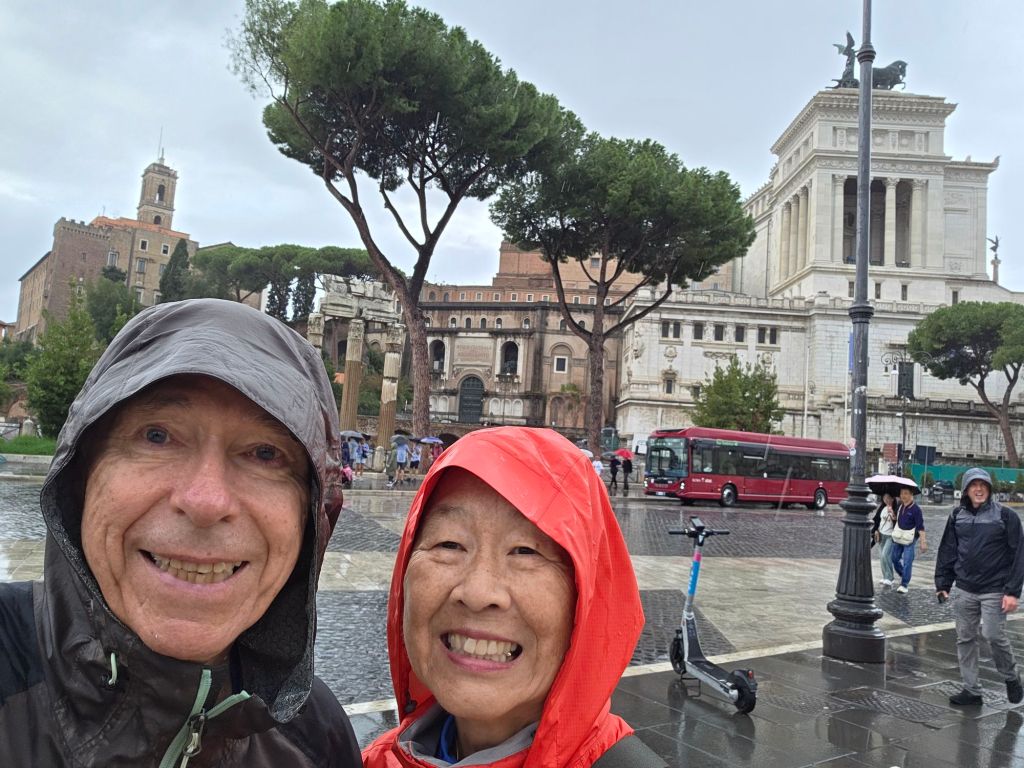
As we walk out each day during our 8 days in Rome, we encounter rain and sun, chilliness and heat. We walk through the ancient Forum, remnants of empire, and skirt the construction site of expansion of Rome’s modern Metro system, Linea C.
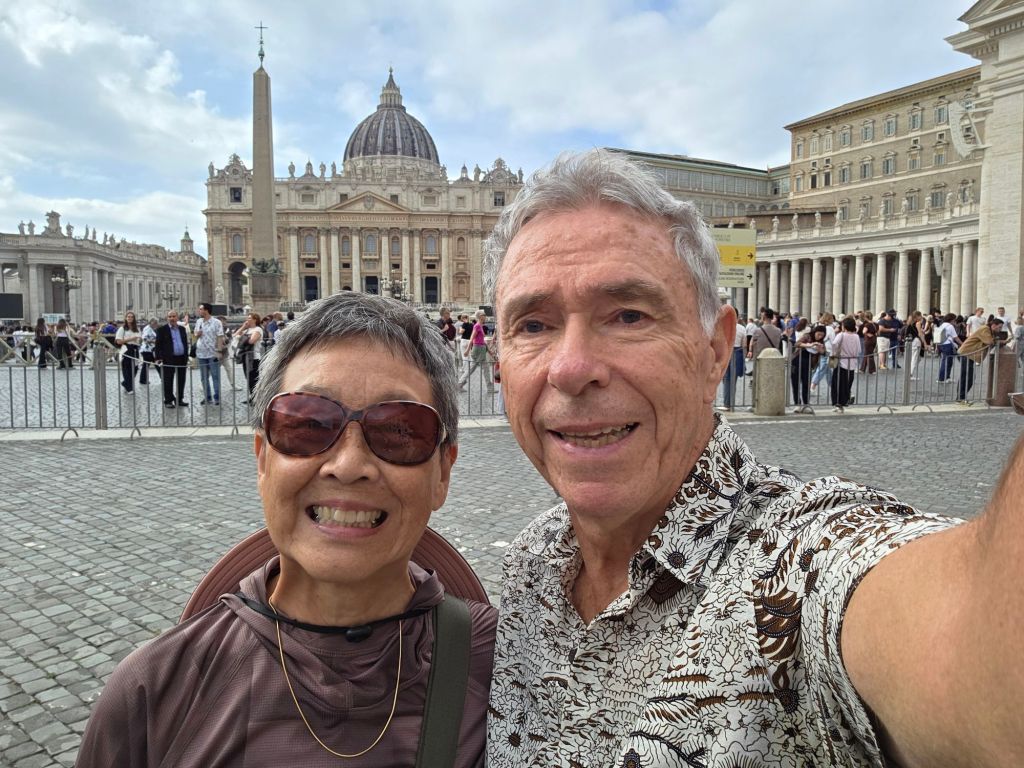
The Vatican Museums and St Peter’s Basilica are together probably the most visited place in the world. This is our fifth or sixth visit to Rome, and these sites are more crowded than ever by orders of magnitude. Arguably the visitation levels are unsustainable and they are definitely unbearable.
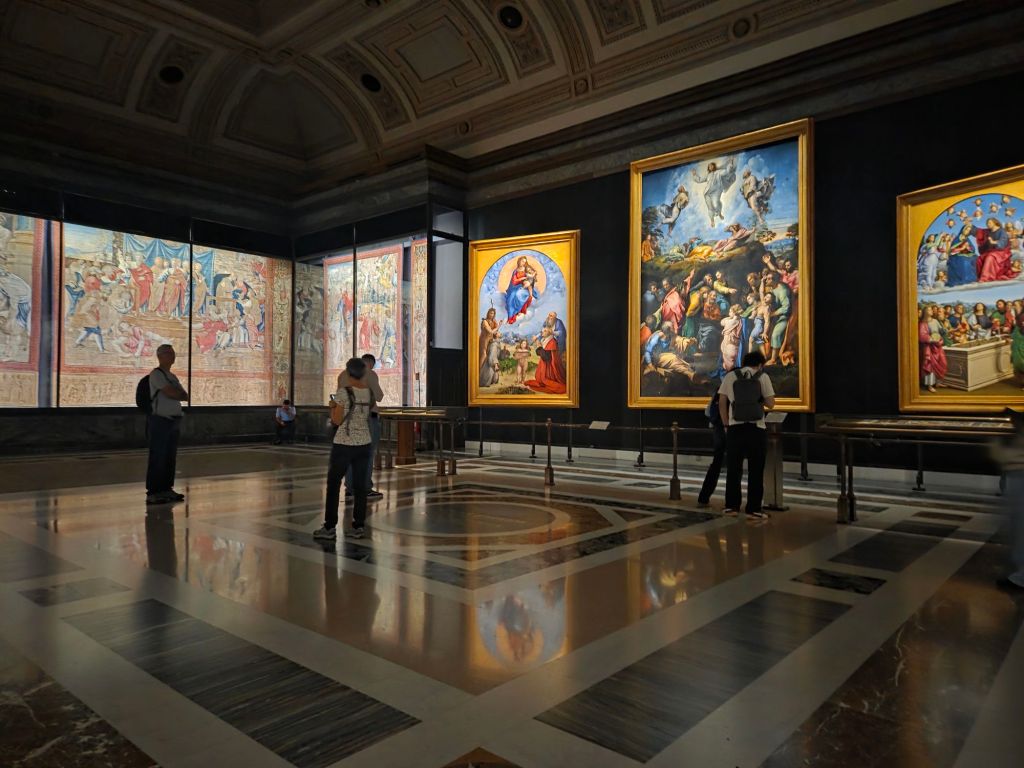
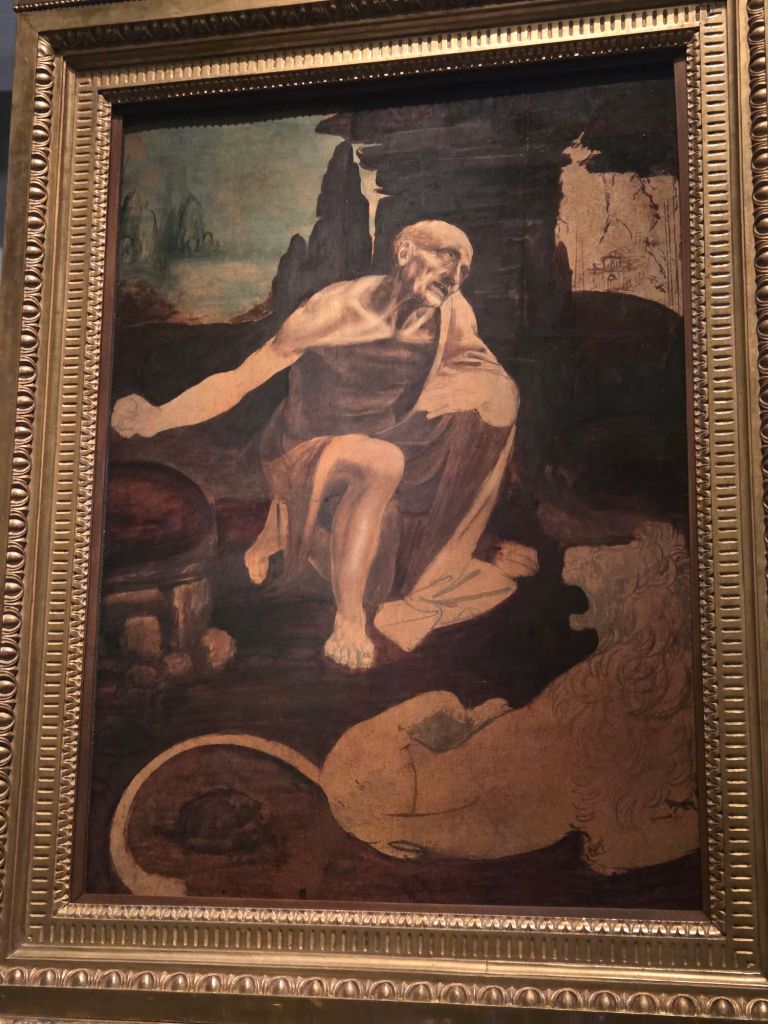
It is at the Vatican Museums that we suffer our first, and most severe, disappointment of the Camino Caravaggio.
The single Caravaggio in the Vatican collection, The Entombmemt of Christ (1594), is not on display! The guard who gave me this news clearly saw the disappointment on my face. The work is undergoing restoration for an unknown period of time. By the way, there is no indication on the musIum website or anywhere on the internet that I can find of this absence.
Visiting the Vatican’s (often closed) Egyptian collection and the Sistine Chapel was some consolation, along with the thought that we’ll have to retum to Rome on another occasion…
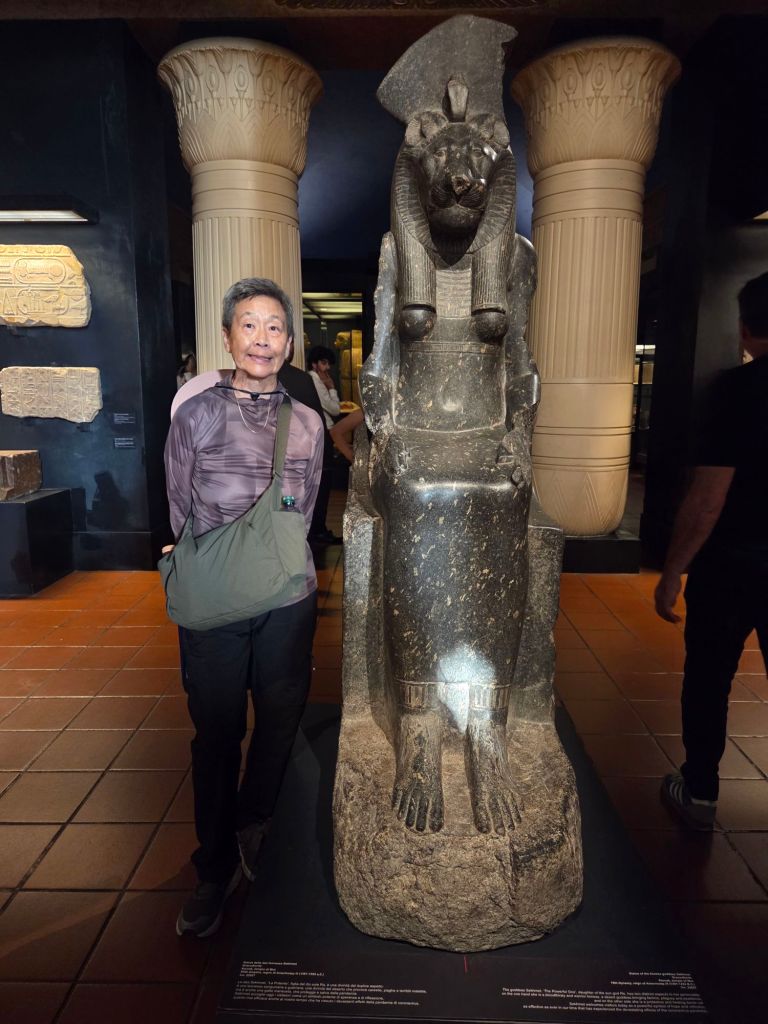
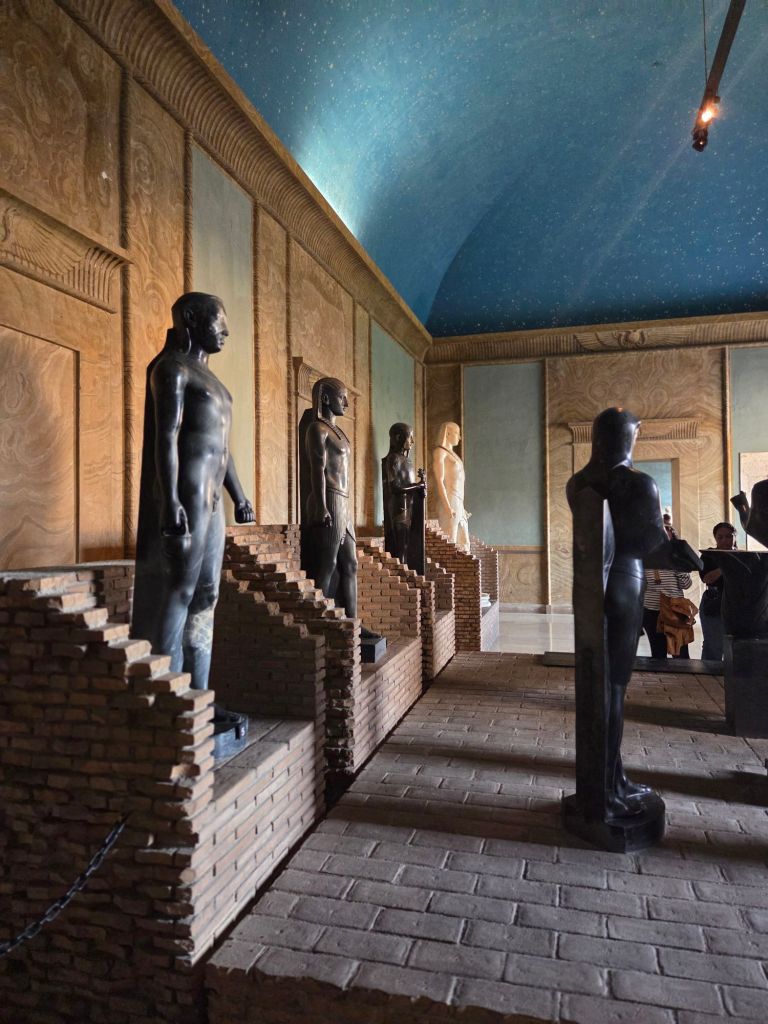
There remain only three more Camino Caravaggio stops to be made in Rome: Palazzo Barberini, Santa Maria del Popolo and the ultimate collector’s dream, Galleria Borghese.
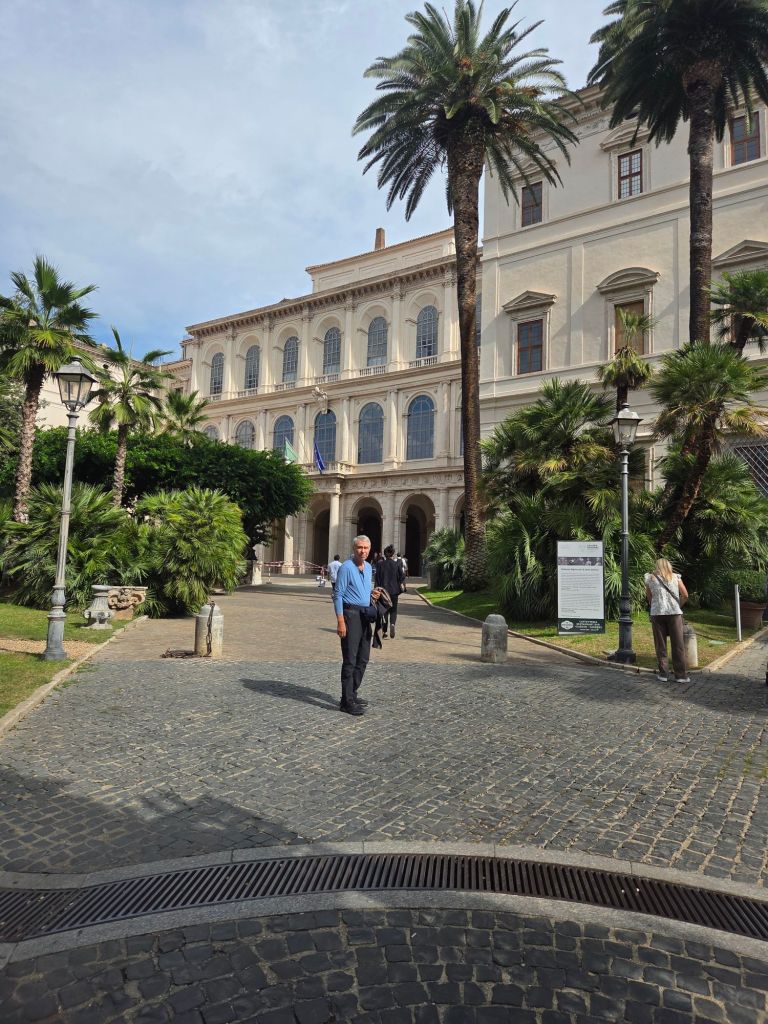
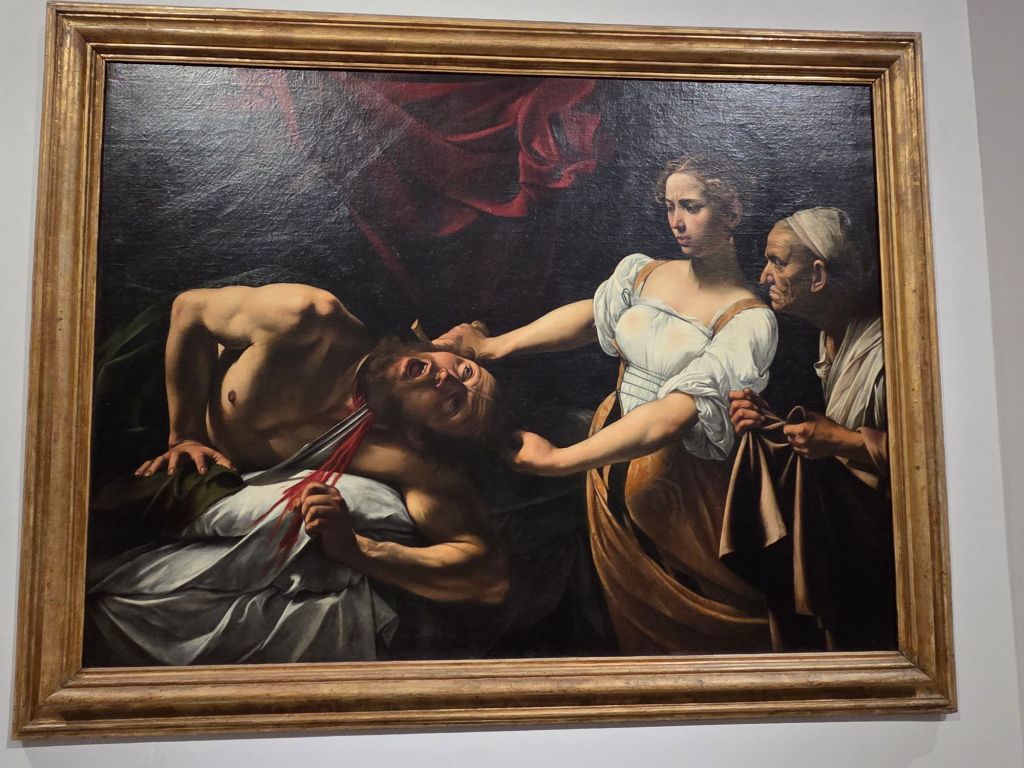
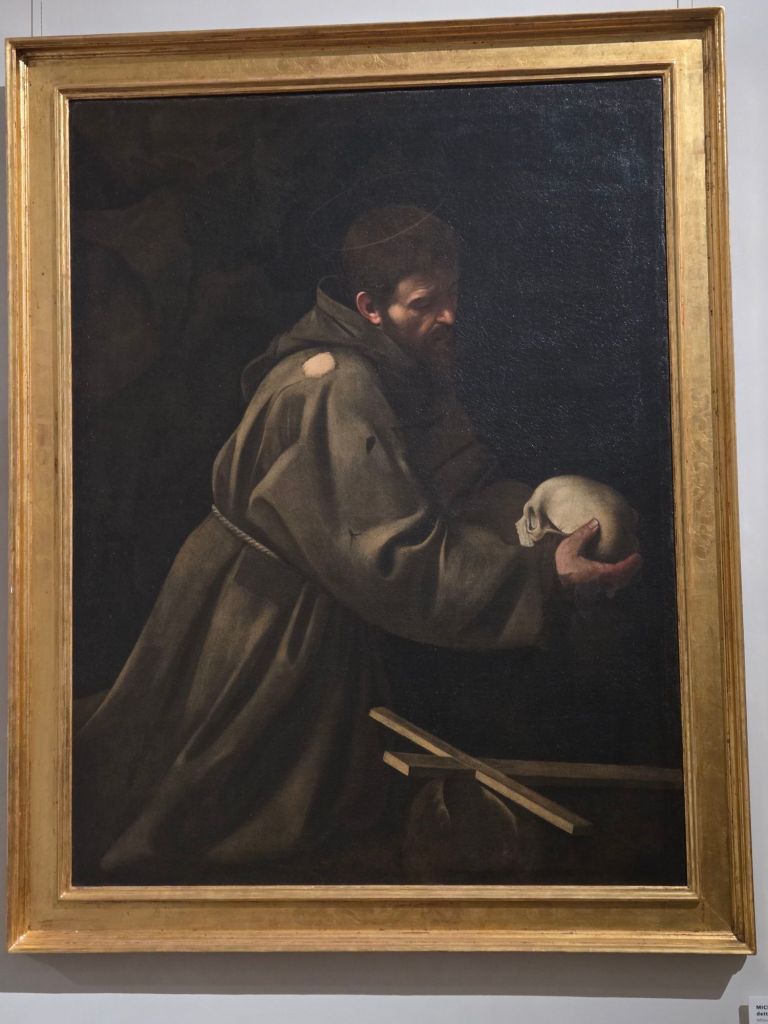
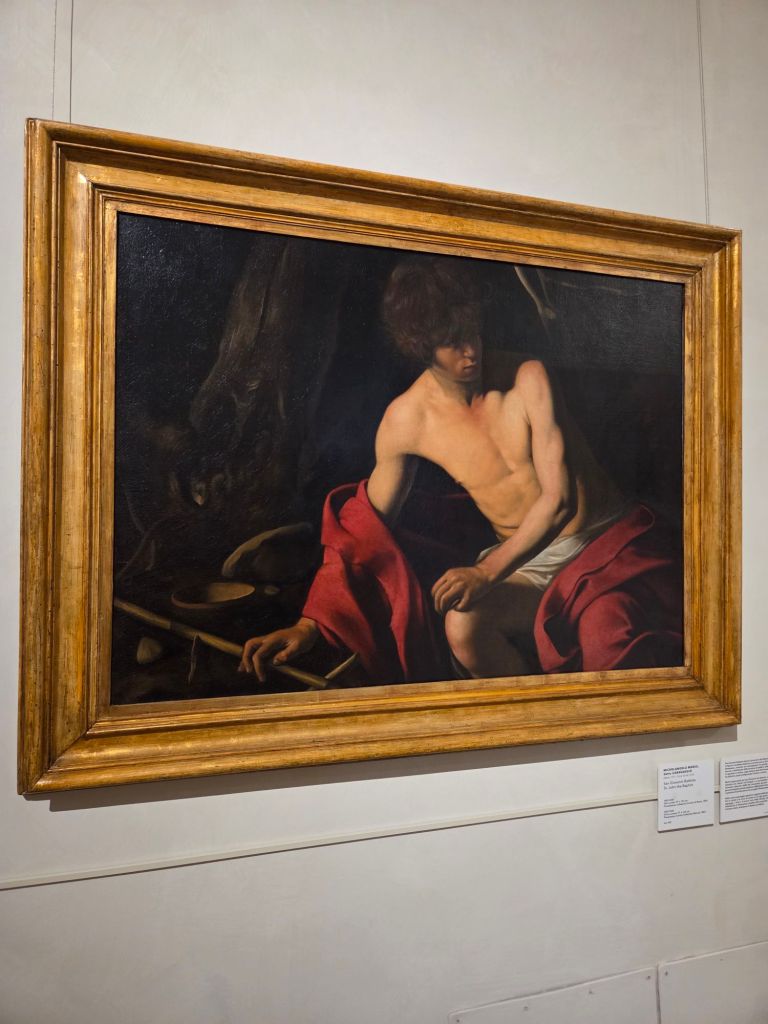
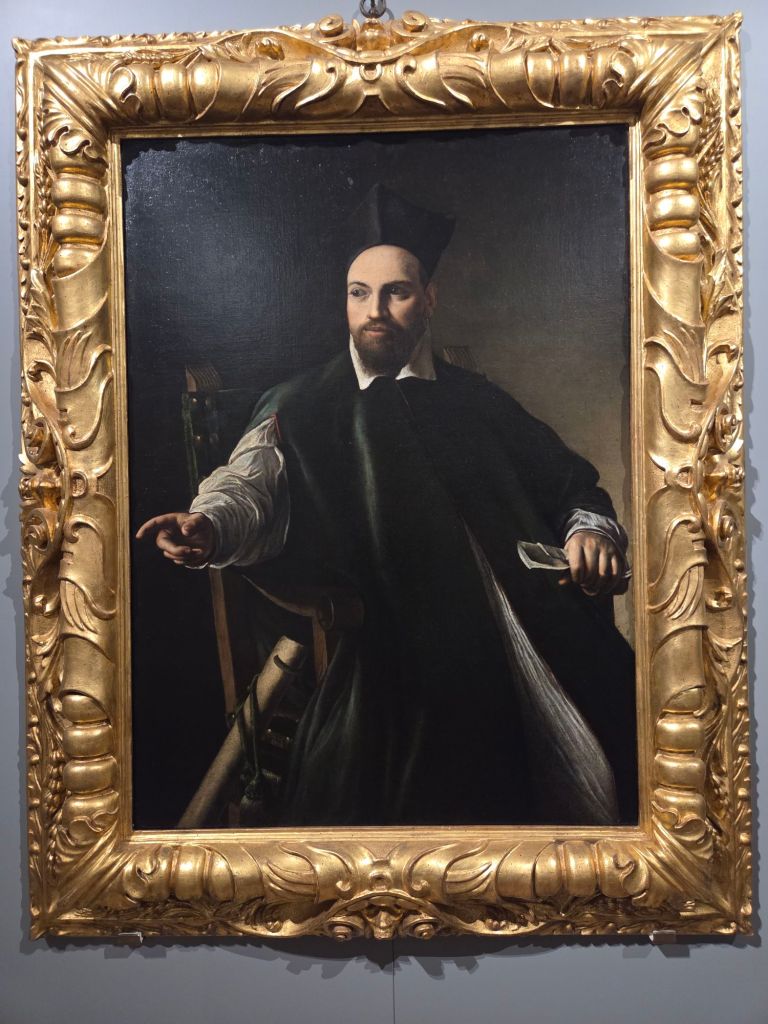
Just this year, in March 2026, the Italian state acquired the Barberini portrait from a private collection in Florence. The price, almost $35 million, was the most ever paid by Italy for an artwork. The timing was excellent for us to be able to see one of the relatively few portraits, of which three survive, painted by Caravaggio (perhaps this is another consolation for missing the Entombment)?
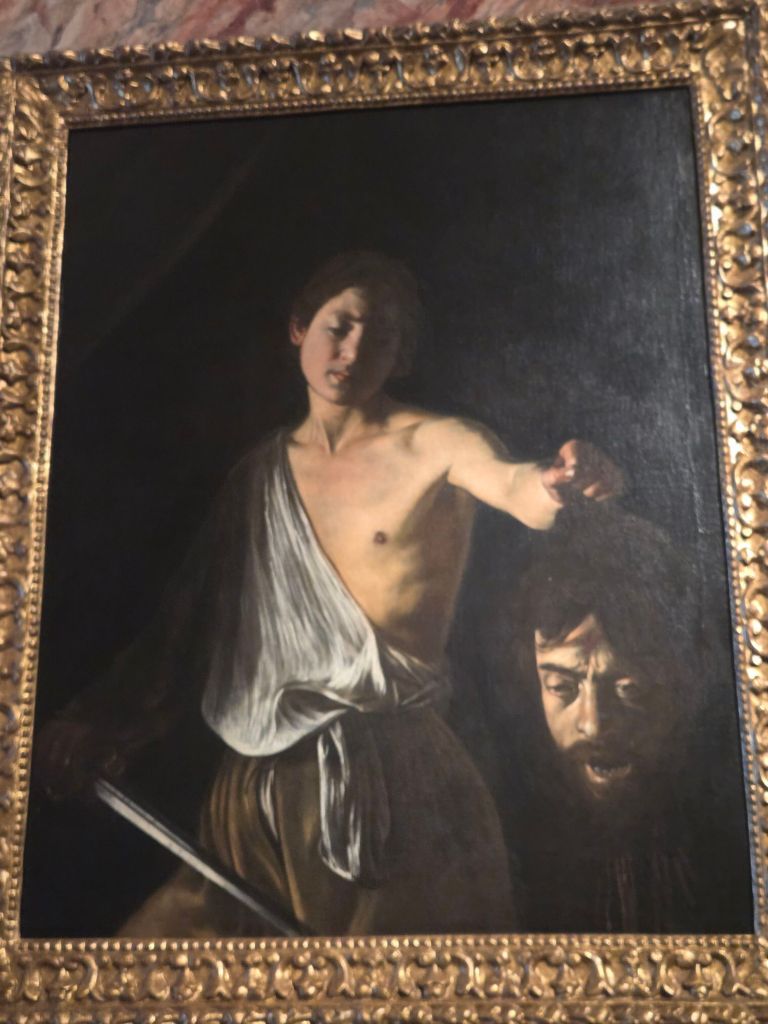
At the church of Santa Maria del Popolo can be found two powerful paintings.
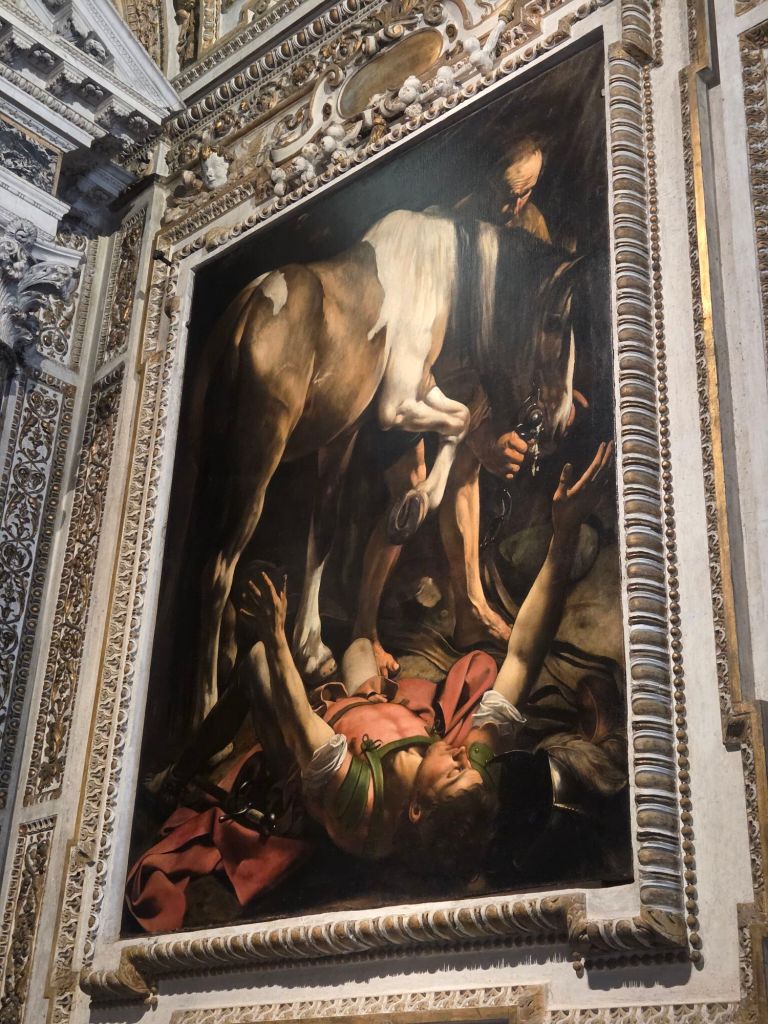
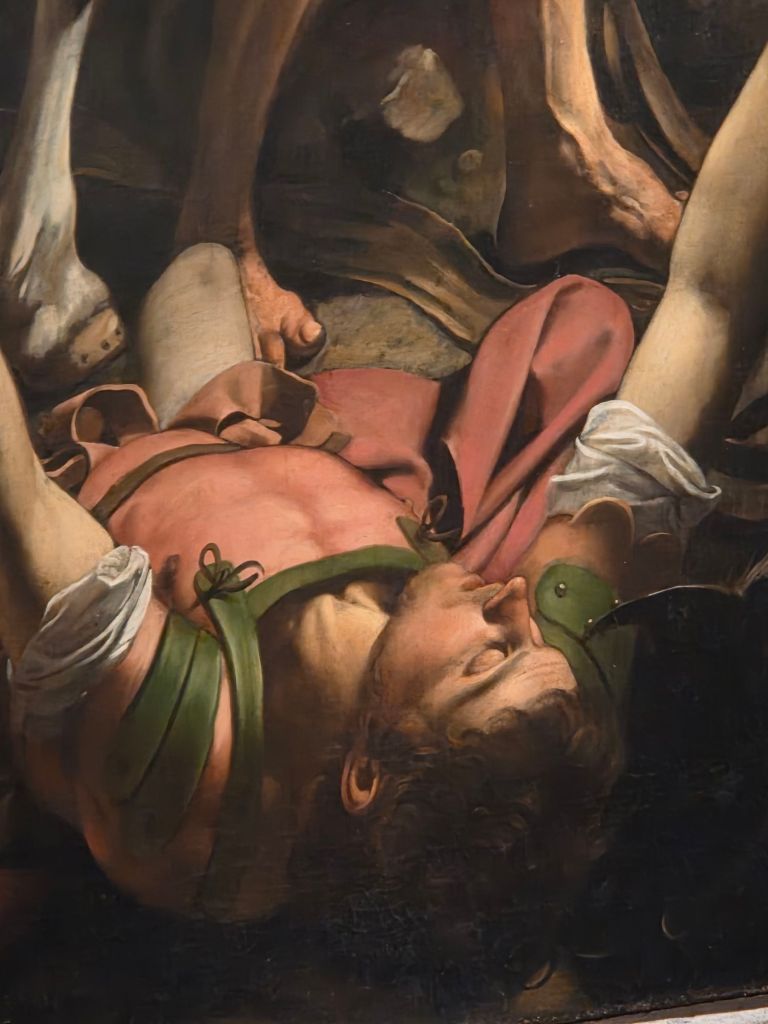
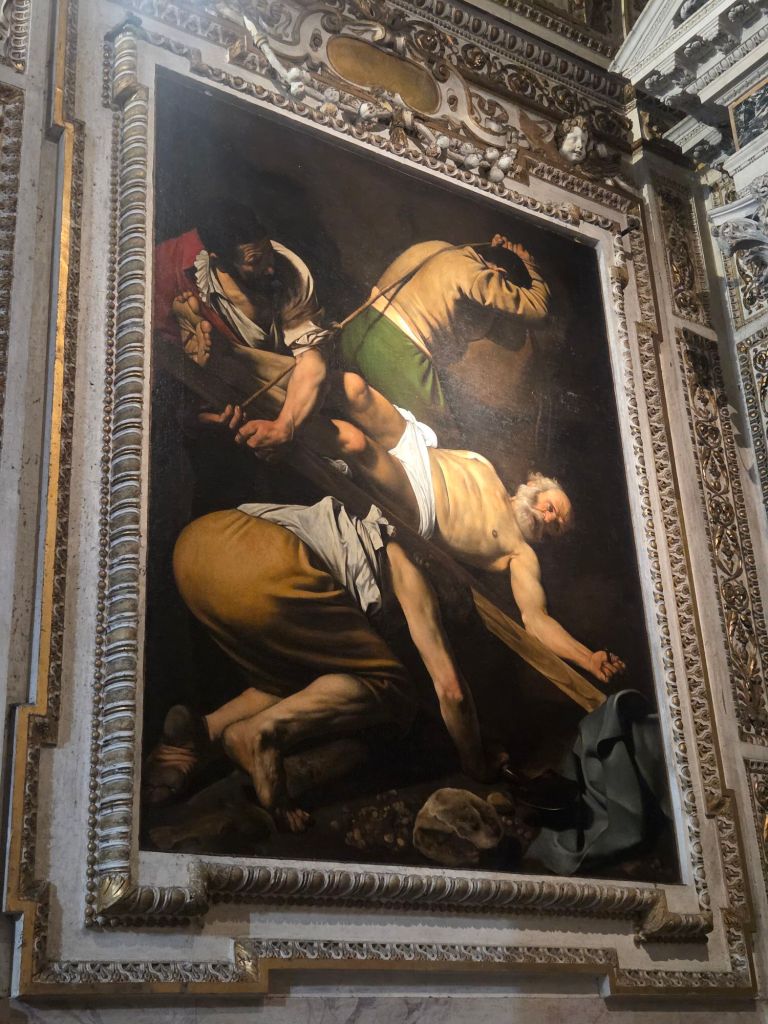
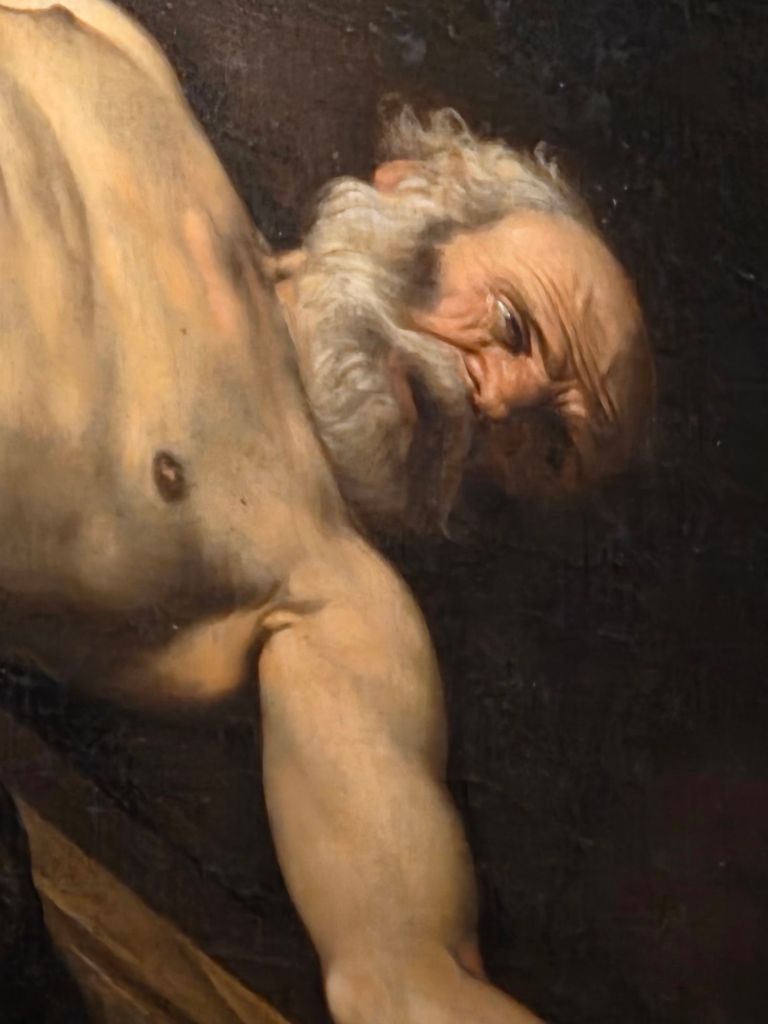
Millions of pilgrims to Rome arrive from the north through the Porta Flaminia into the Piazza del Popolo. They visit Santa Maria del Popolo as their first visit in Rome and are greeted by Paul and Peter.
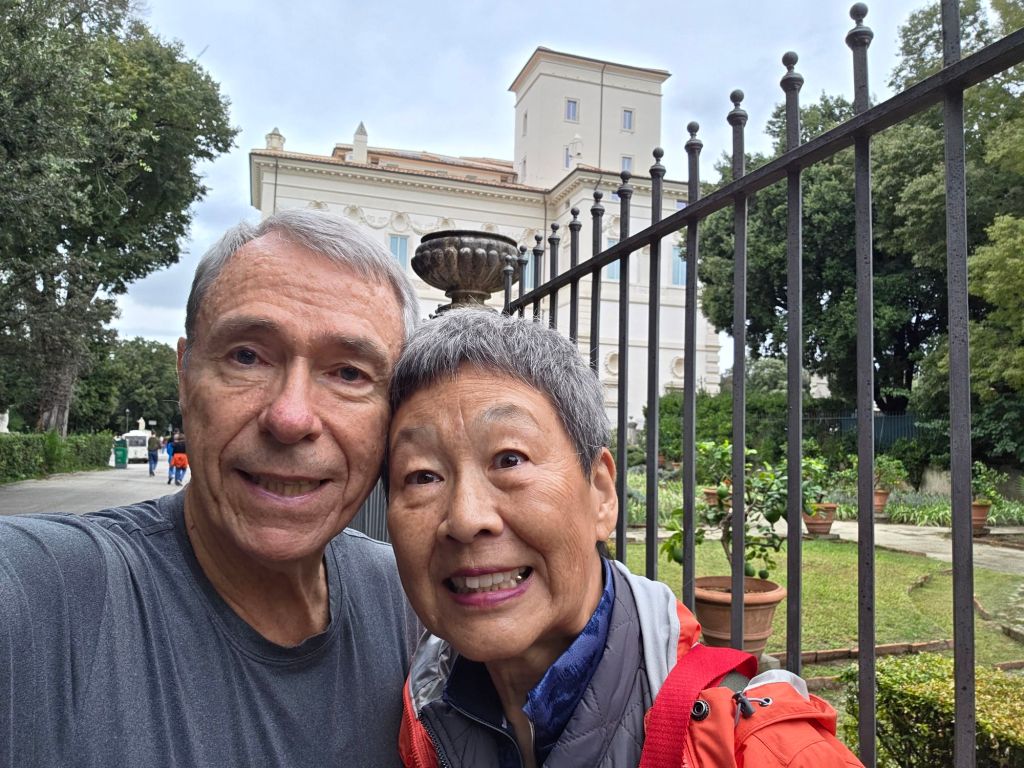
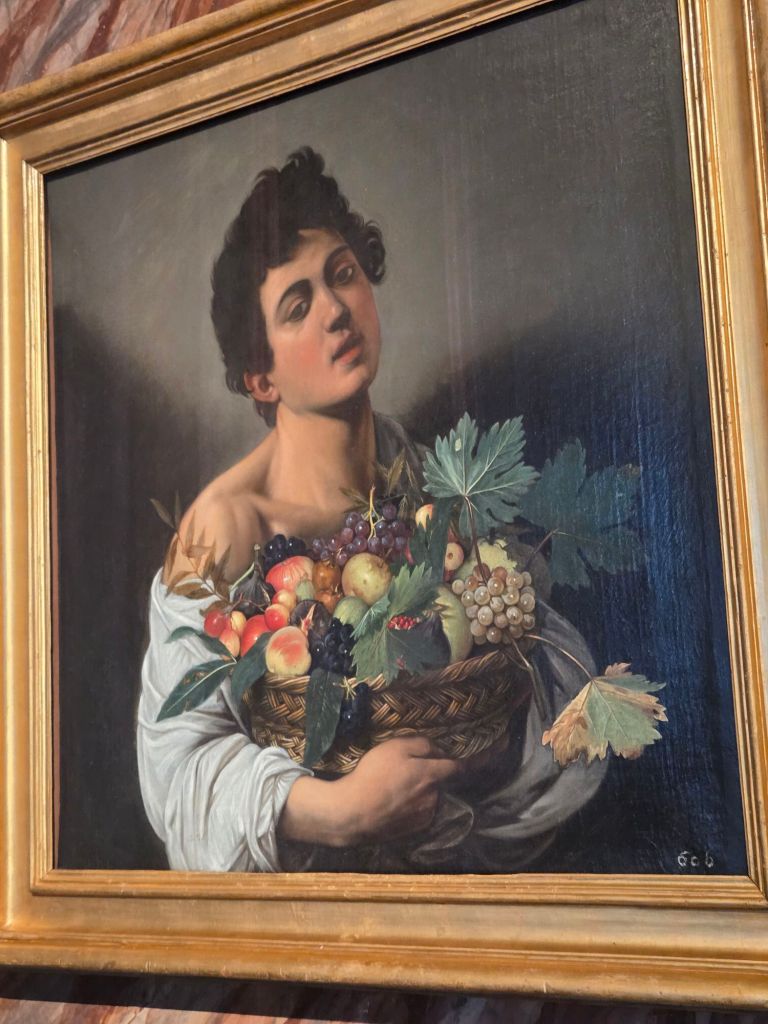
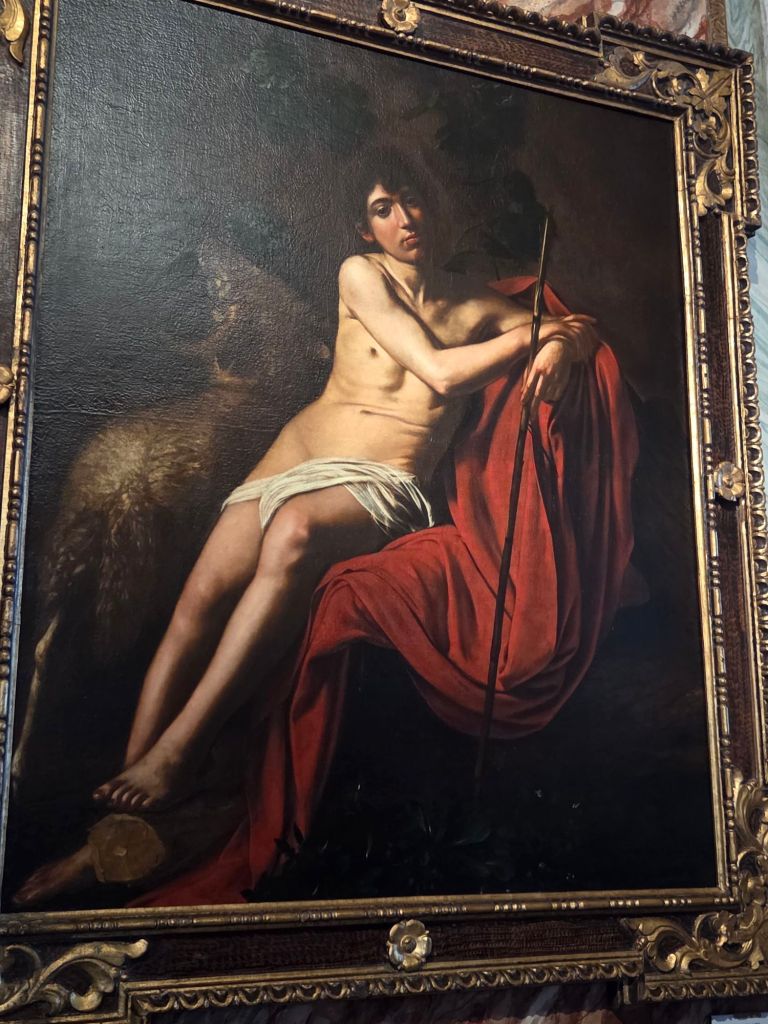
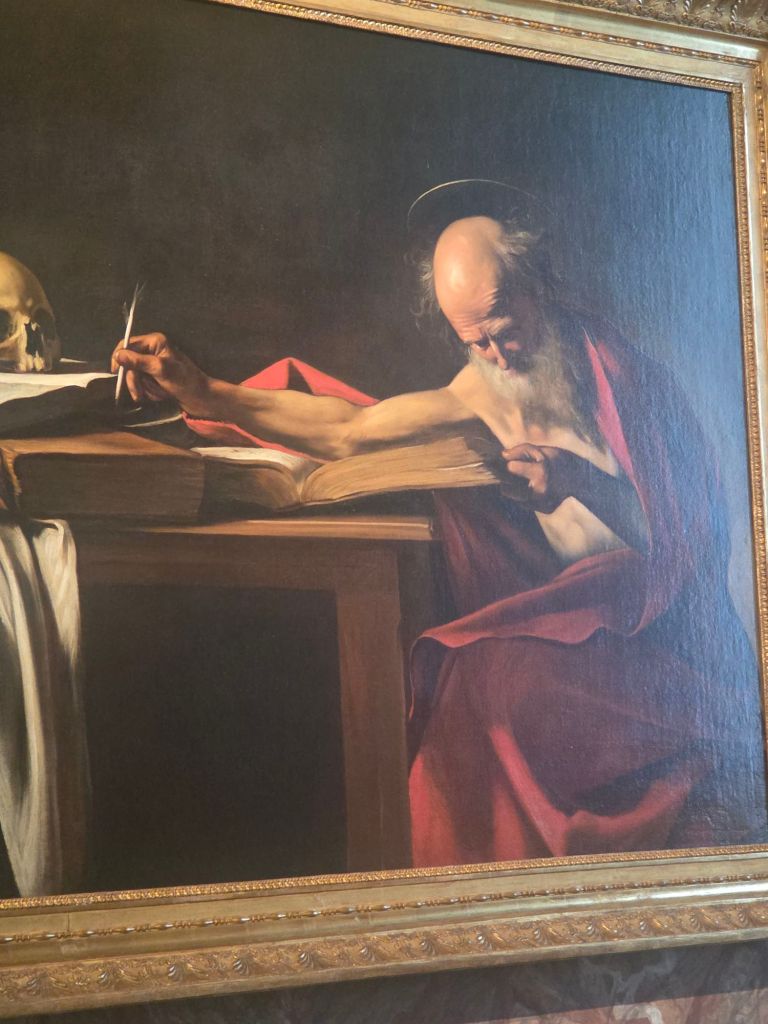
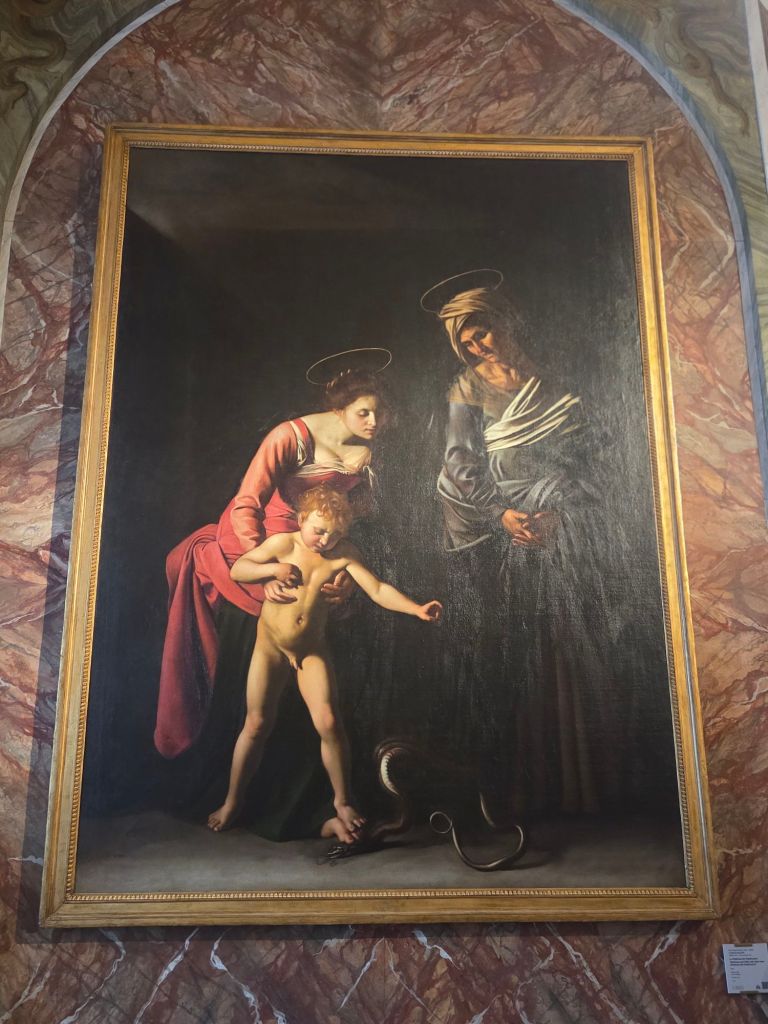
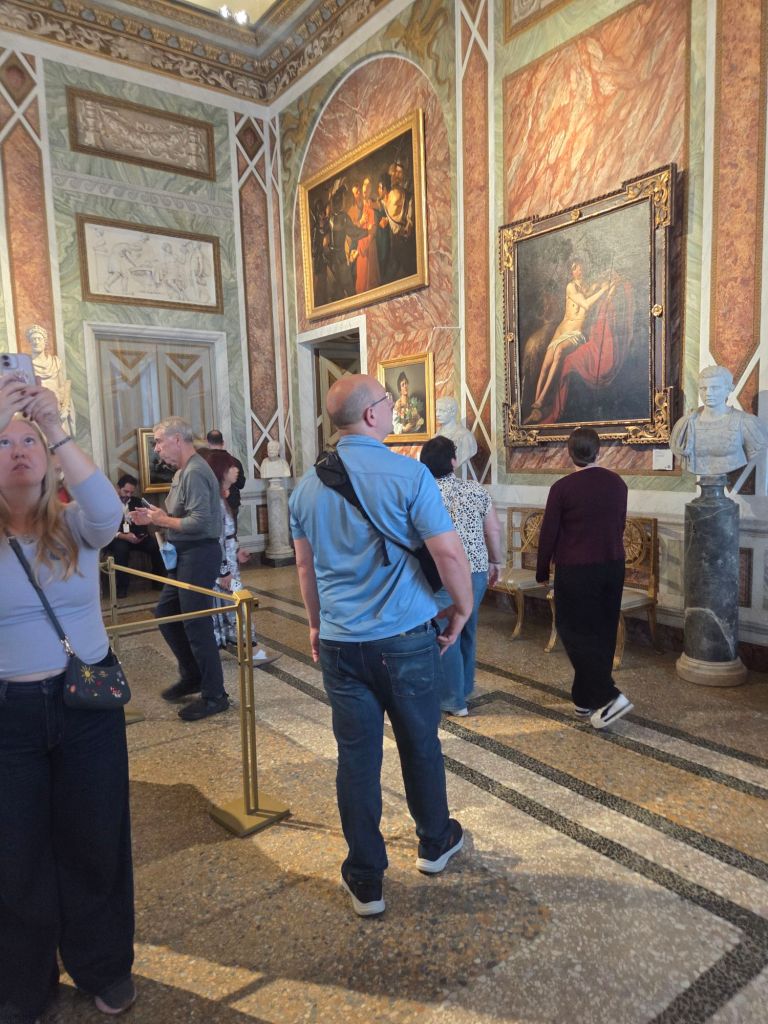
This visit, Young Sick Bacchus (1593) is on loan to an exhibit in London and Genoa. As with Entombment unviewable at the Vatican Museums, there is no indication that Young Sick Bacchus is not on view.
On this Camino Caravaggio, we set out to visit 30 of the 65 extant Caravaggios in the world. Only 28 were available to see (although we had seen Young Sick Bacchus during our previous visit to the Borghese a few years ago). We were fascinated and amazed by the observations and time we spent with these brilliant works. The focus and perspective of our Caravaggio concentration provided an excitement and motivation that enhanced every aspect of our travels, including numerous bus, train and air trips and many thousands of steps.
Now that we are back in the US we will continue to contemplate Caravaggio and the insights we have gained about his art and his illustrations of a passionate faith.
Thanks to you, our readers, for accompanying us on Camino Caravaggio. Since we have viewed only 29 of the 65 extant Caravaggios, perhaps it is the first in a series of such journeys?

