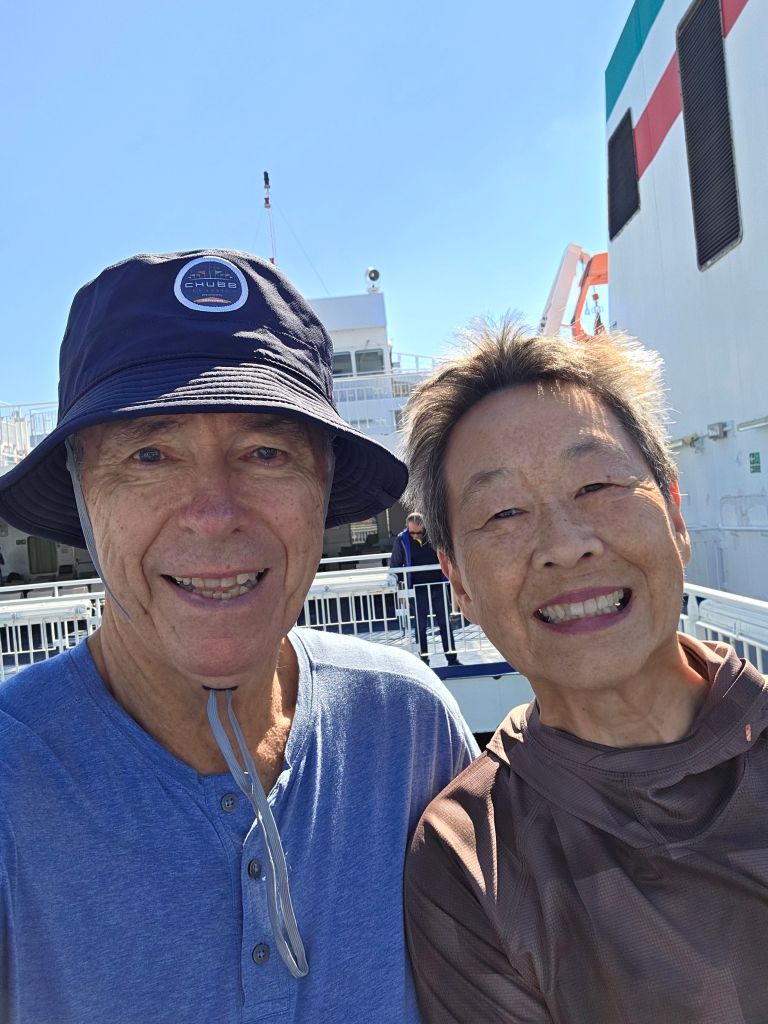
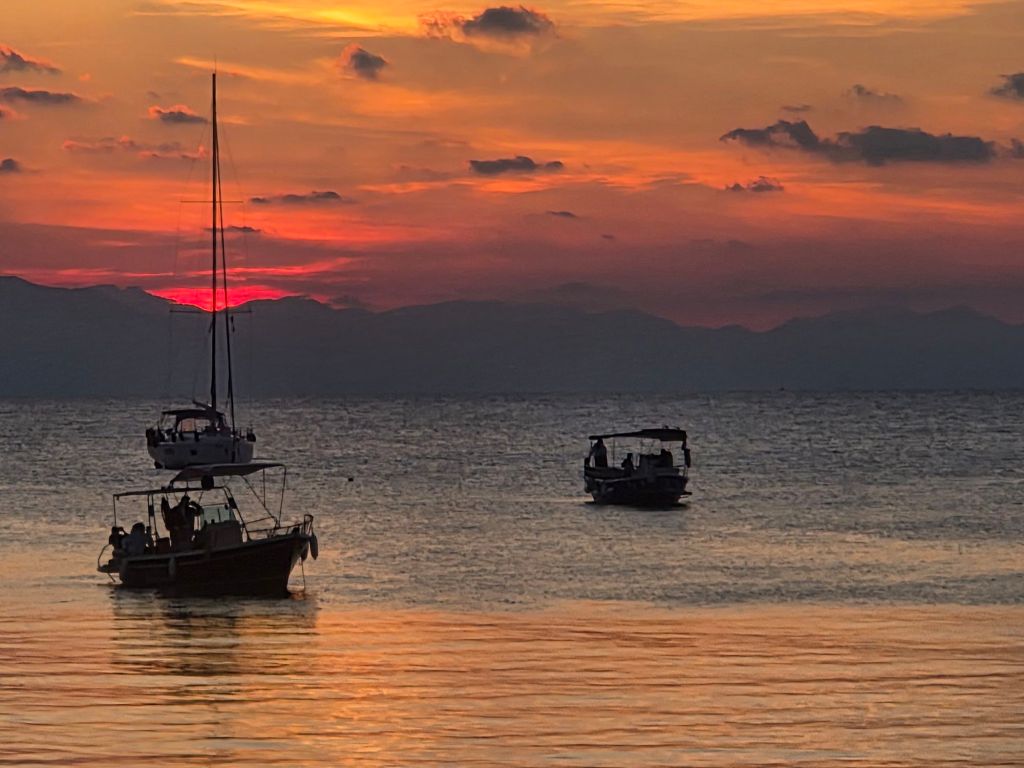
It turns out that the Camino Caravaggio, for which we believe we are the pioneers, involves a crossing of straits, that is, a narrow but sometimes hazardous strip of ocean separating two land masses. “Straits” are in the news currently; in our case, we are thinking about the passage known as the Straits of Messina, a legendary waterway between the northeast corner of Sicily and the Italian mainland (near the toe of the “boot.”)
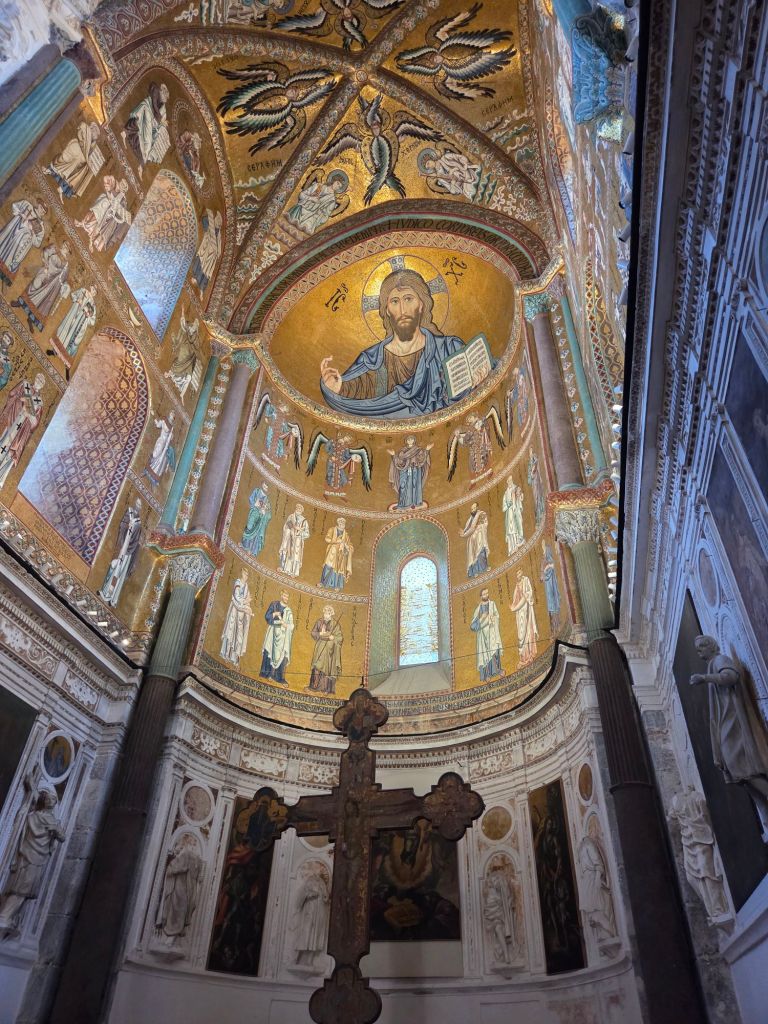
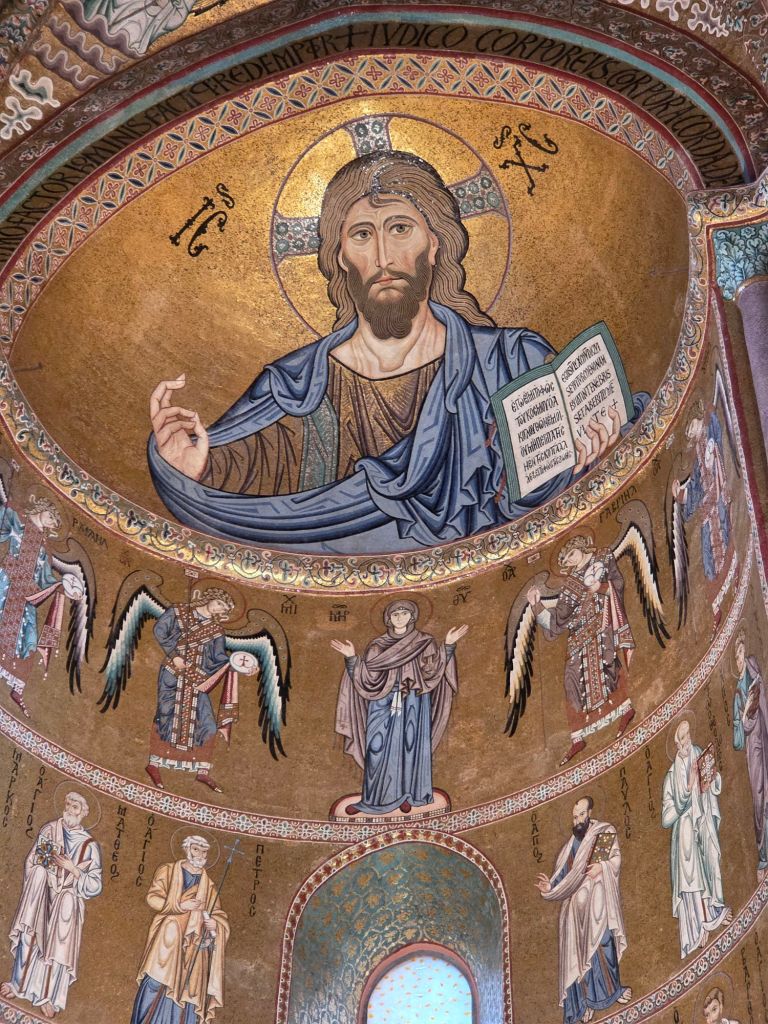
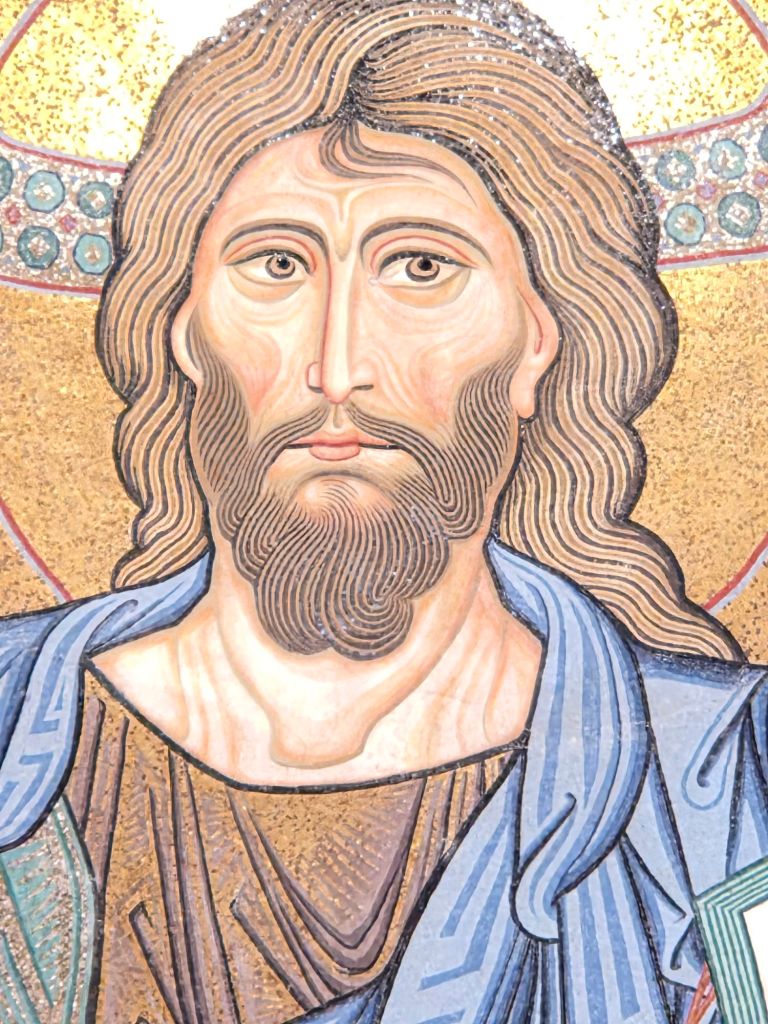
Before facing the Straits, we visited the Great Norman cathedral at Cefalù, not far from Palermo. We wanted to see the Byzantine-influenced mosaic of Christ Pantocrator — all-knowing, all-powerful, all-merciful.
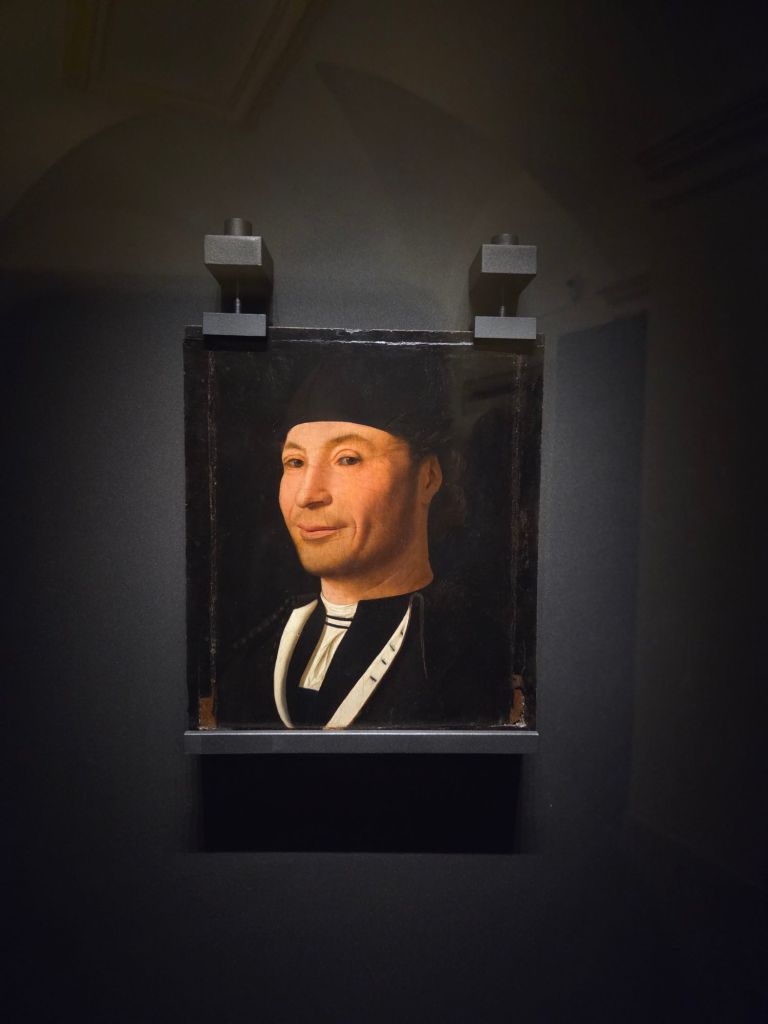
Near the Cathedral we found the quirky Museo Mandralisca. Our interest was in the Sicilian artist of the Renaissance, Antonello da Messina.
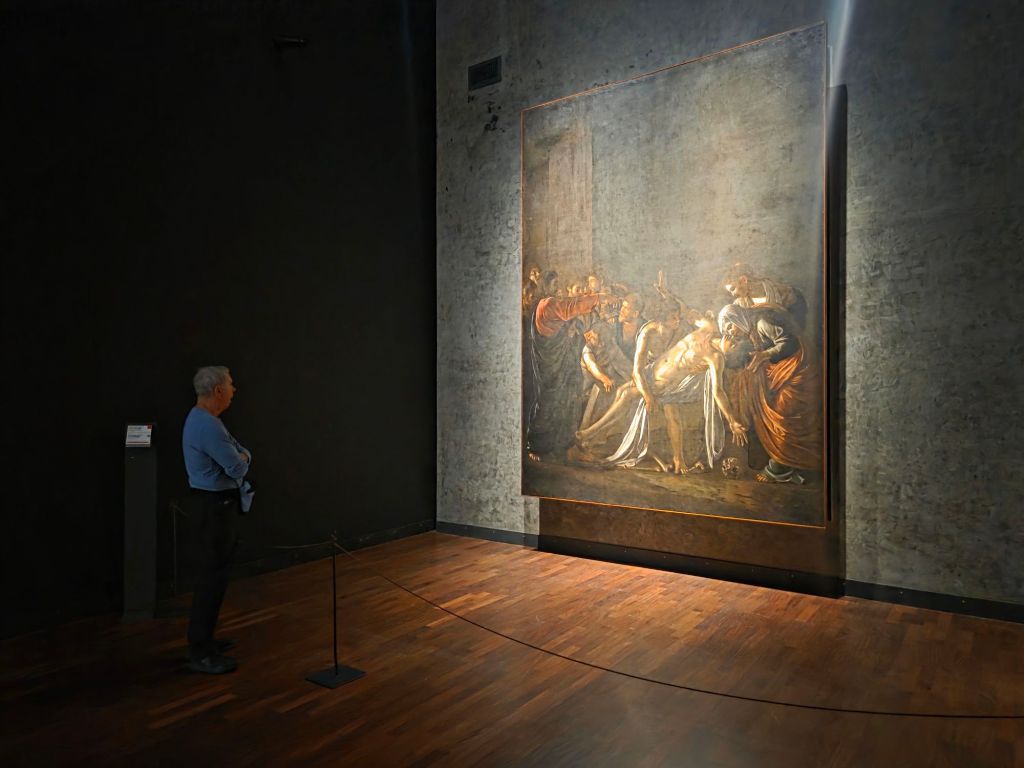
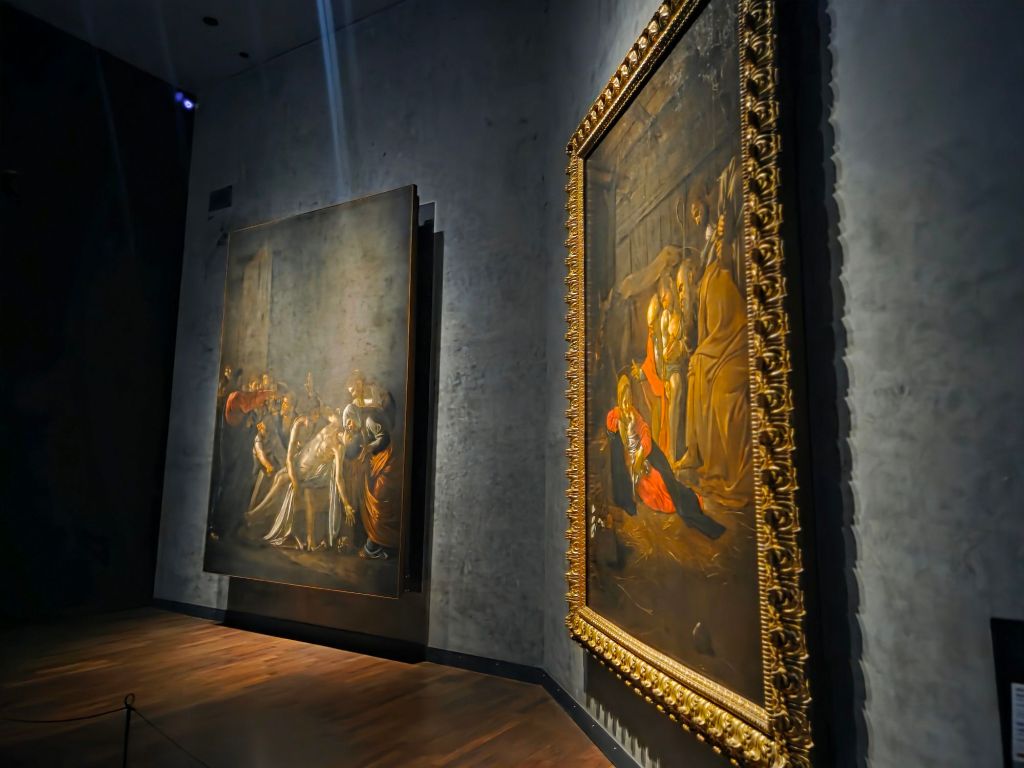
Next day we trained westward along Sicily’s north coast to Messina to view two Caravaggios at the Acascina Regional Museum in its excellent new building.
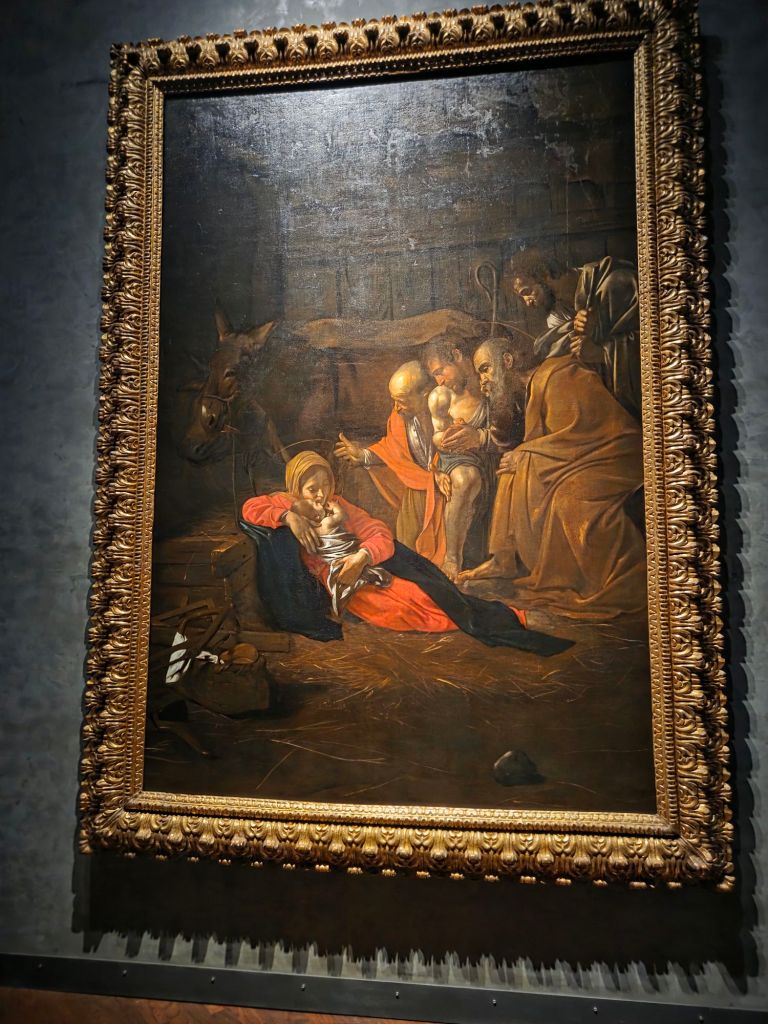
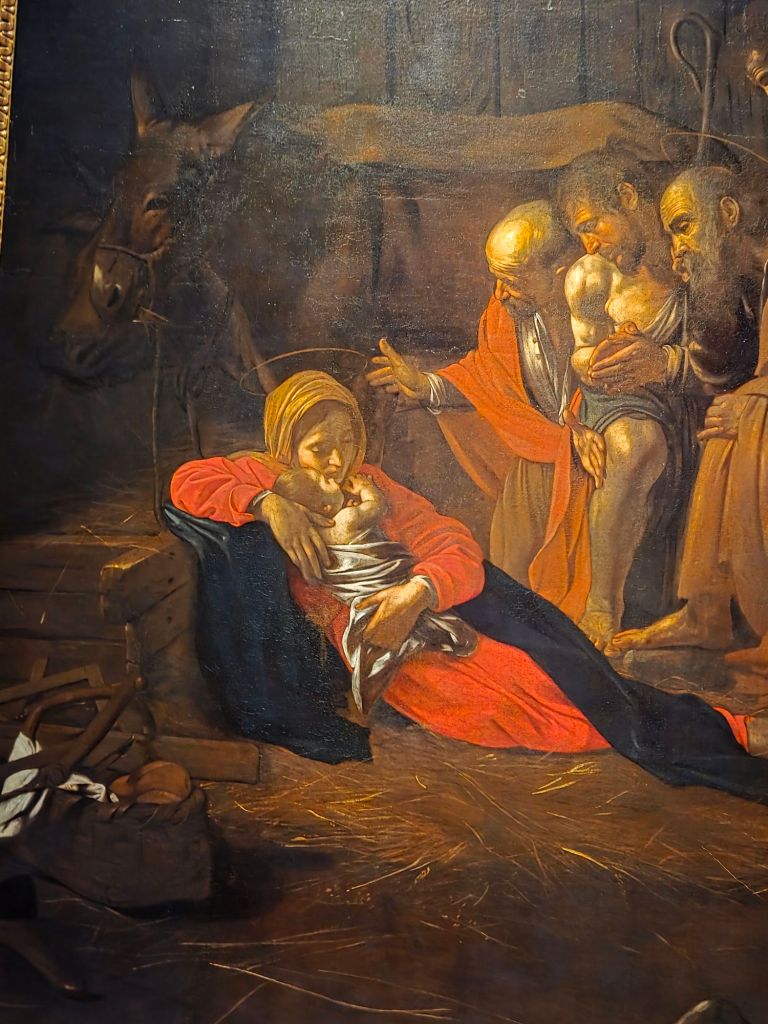
Andrew Graham-Dixon, author of Caravaggio: A Life Sacred and Profane, points out the extreme sadness and poignancy of the scene. The new mother, exhausted, holding her infant to her face, is separated from the men, Joseph and two shepherds. They are essentially helpless to assist. She is alone, with her Child.
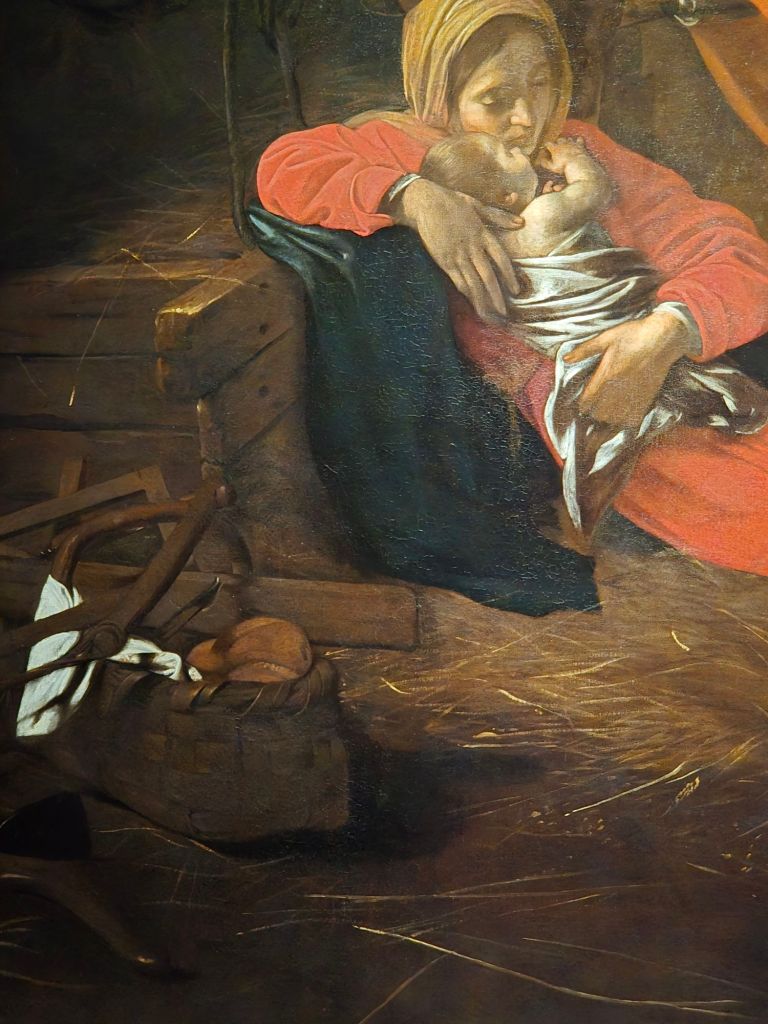
Caravaggio is also alone in the world at this time. His violent nature led him to be was disgraced before the Knights of Malta and he had fled to Sicily to avoid imprisonment, trial and punishment. In a year he would be dead.
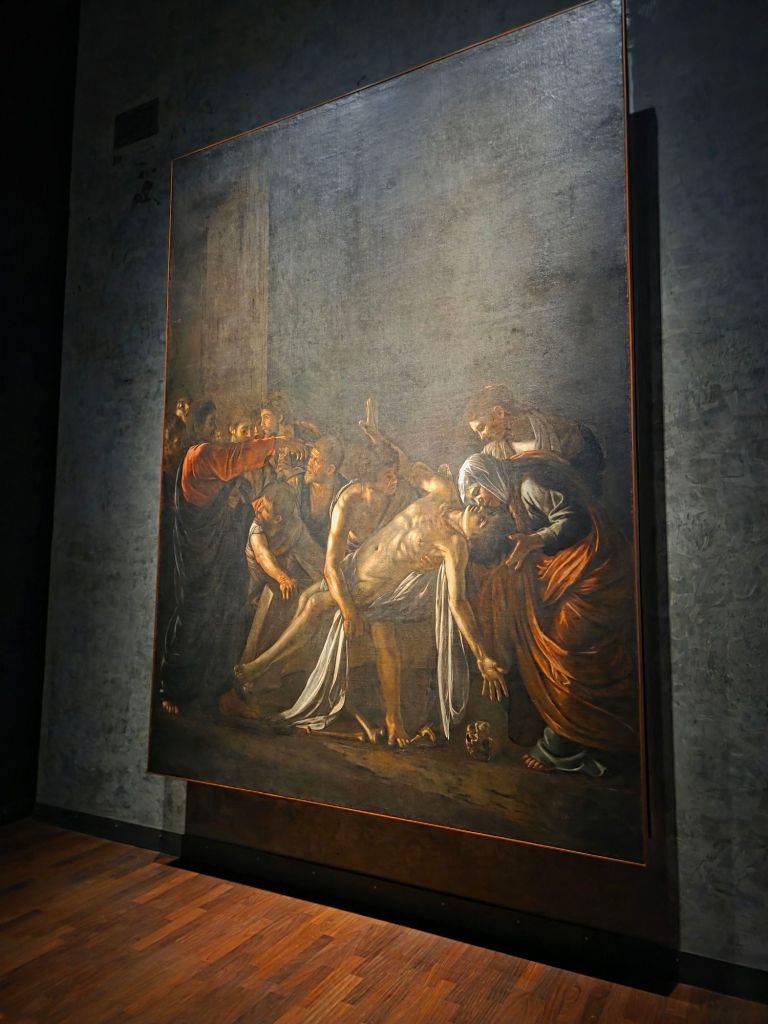
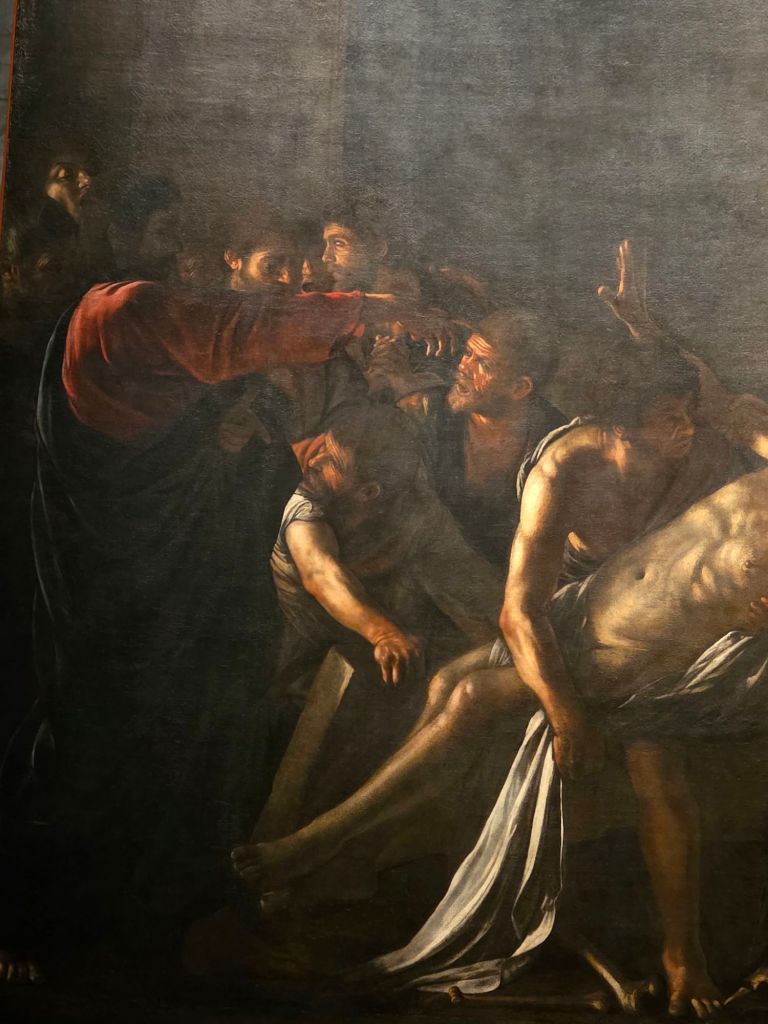
Painted around the same time as Adoration, Resurrection shows the moment when Jesus, in red robe at the left, raises his arm and commands, ” Lazarus, come forth!”
Lazarus’ corpse is so clearly four days dead that the return to life is unmistakeably miraculous. Notorious and groundbreaking in his realism, Caravaggio enlisted gravediggers and their subjects as models for this painting.
Above Jesus’ raised arm can be seen one of Carravaggio’s many self portraits. Why is he looking away from the miraculous resurrection about to take place?
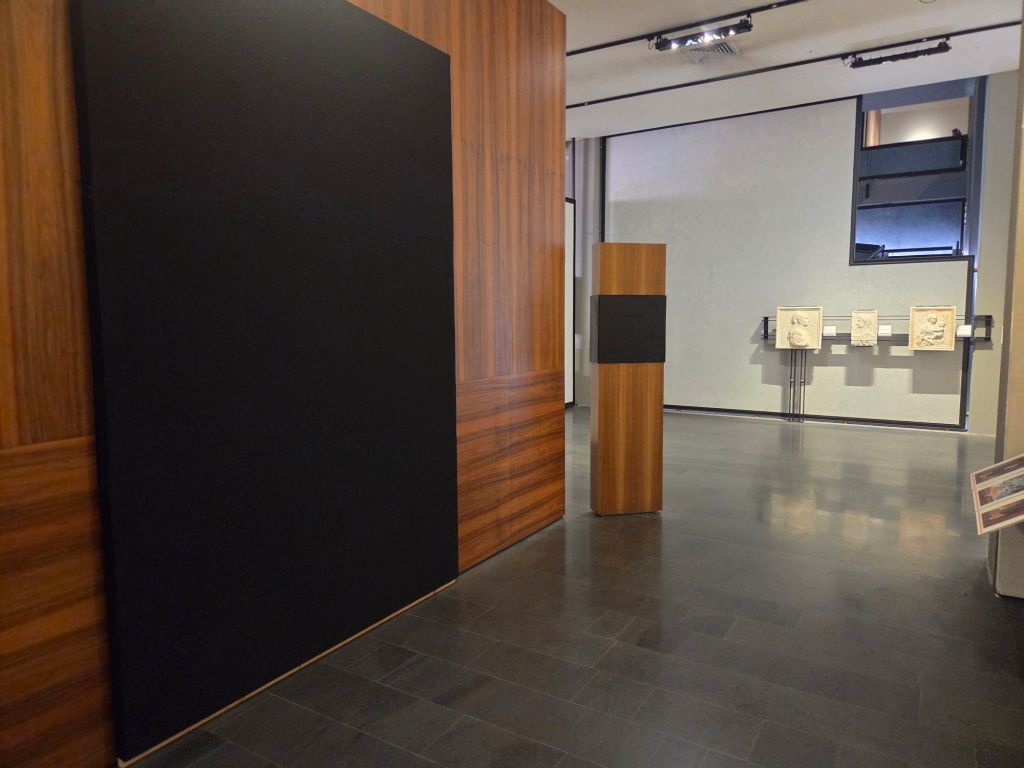
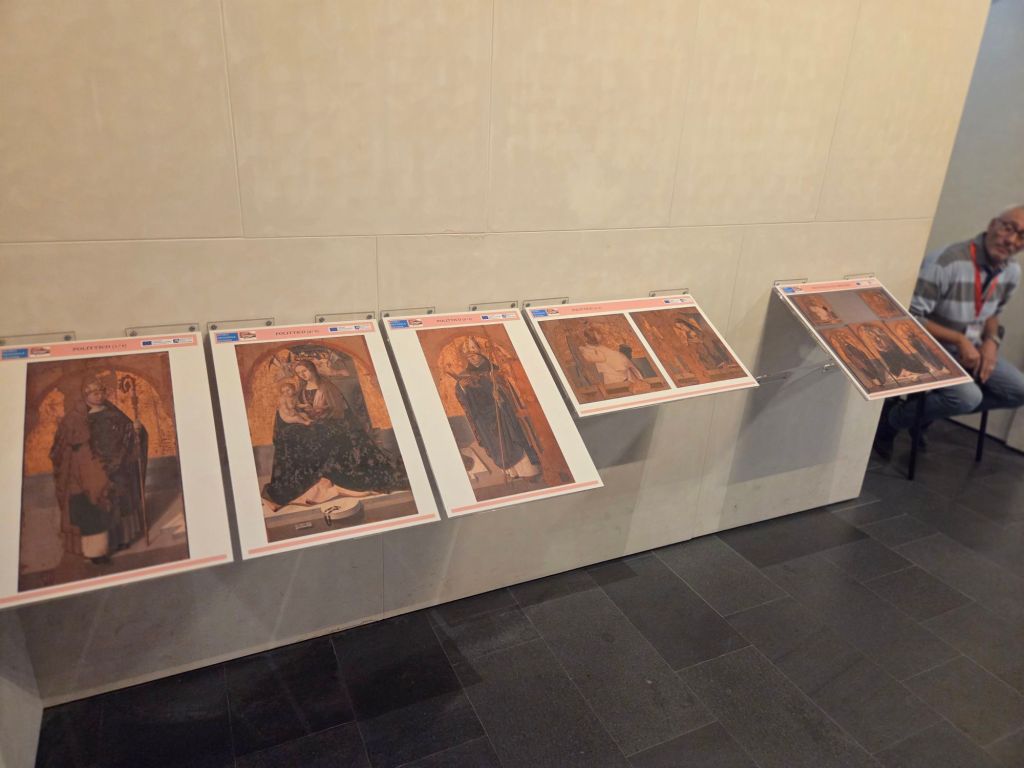
Art theft of famous works, whose market values continue to rise, is a fascinating topic. Indeed, Palermo, Sicily didn’t make our Camino itinerary because Caravaggio’s Nativity with Saint Lawrence and Saint Francis was stolen in 1969 from its spot in the Oratory and never recovered. Caravaggio’s Saint Jerome Writing had been stolen from Malta’s Co-Cathedral in 1984. A ransom was paid and the painting recovered in 1986. After damages were repaired, it was put back on display at the Co-Cathedral where we admired it less than three weeks ago (see earlier post.)
In August, just as we were preparing to embark on our Camino Caravaggio, paintings by Cezanne, Renoir and Matisse, stolen in March from a museum in the south of France were recovered. It is not known whether a ransom was paid.
Messina marks our last stop in Sicily. In the next post, we’d will describe our crossing of the notorious Straits of Messina.