To explain why we went to Dubrovnik, go back in your mind to the pre-Covid era. At that time, Ed and I had begun to plan a rail trip to parts of Central Europe (formerly known as Eastern Europe) that we had never visited. Since those plans were quashed by the pandemic, more recently we have inserted some of these places into other trips; for example two years ago we visited Krakow, Poland (and our dear Camino friend, Lukacs) and also Prague.
Last week we went to Budapest as part of this Central Eutopean exploration, and on Wednesday we went to Dubrovnik, Croatia, on the eastern coast of the Adriatic. Since our start point was Ravenna, a difficult-to-reach place in northeast Italy, we first traveled by train to Bologna and then to Rome, then flew from Rome Fiumicino Airport to Dubrovnik. Ryanair (and other low-cost airlines) make this affordable, if not streamlined. Rather than fly, i would have liked to take an ordinary ferry with the locals but apparently they stop sailing in September.
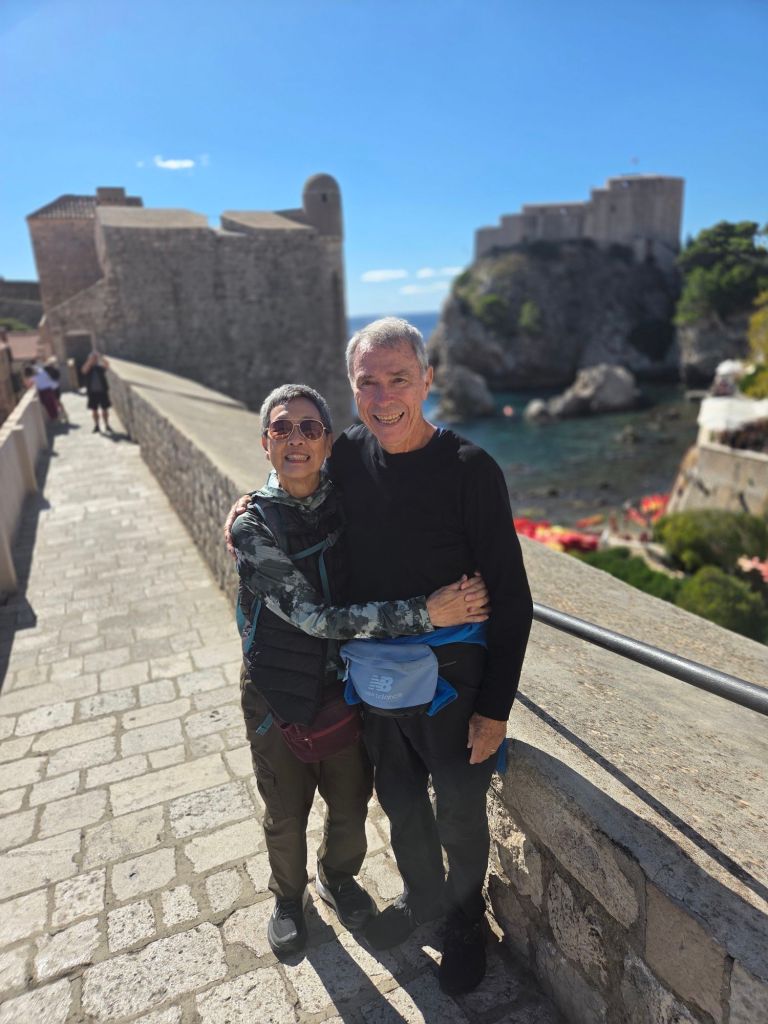
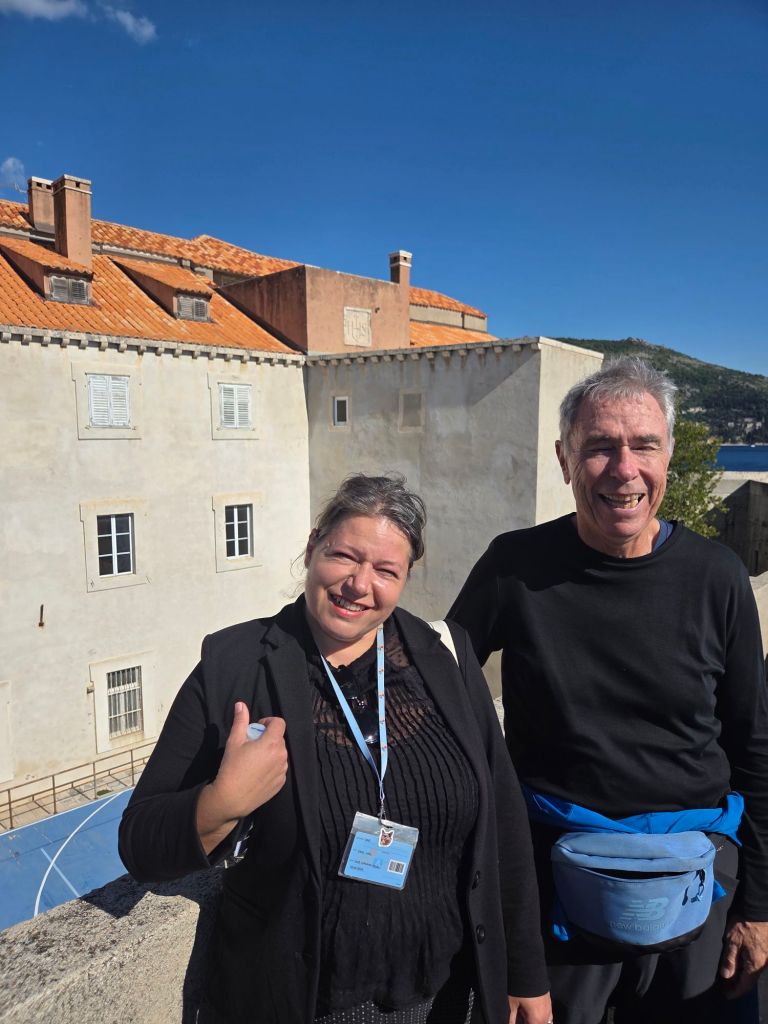
Our guide, Nina, recommended to us by a Broadmoor friend, greatly enhanced our enjoyment and learning. She explained a lot about the Republic of Ragusa, based for hundreds of years in Dubrovnik, and its maritime dominance. Most importantly, Nina shared her personal stories from the War of 1991-1996 when the Yugoslav National Army attacked mostly civilian Dubrovnik. She was 13 when the attack and bombardment began and she lives today with the memories and aftermath of war.
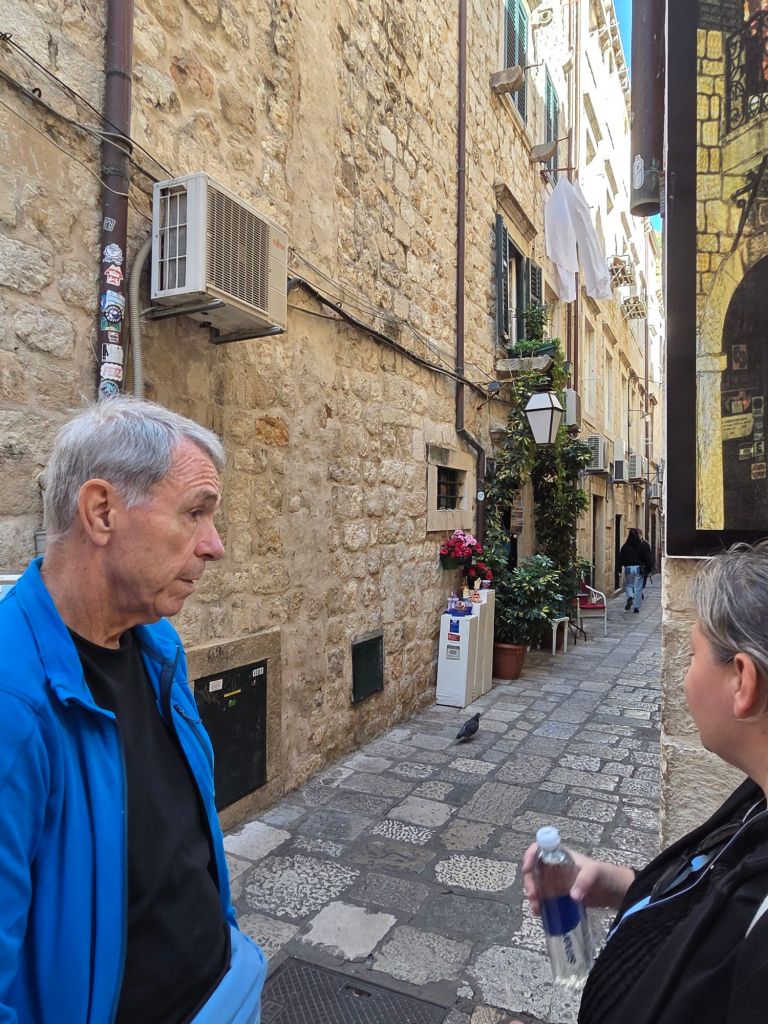
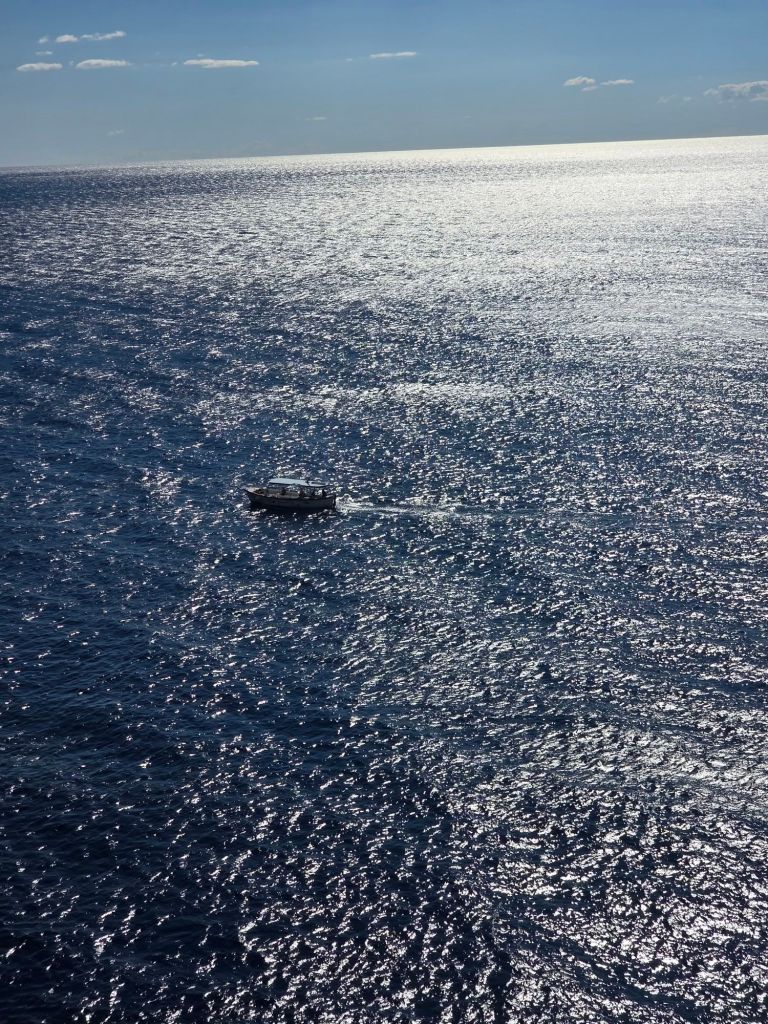
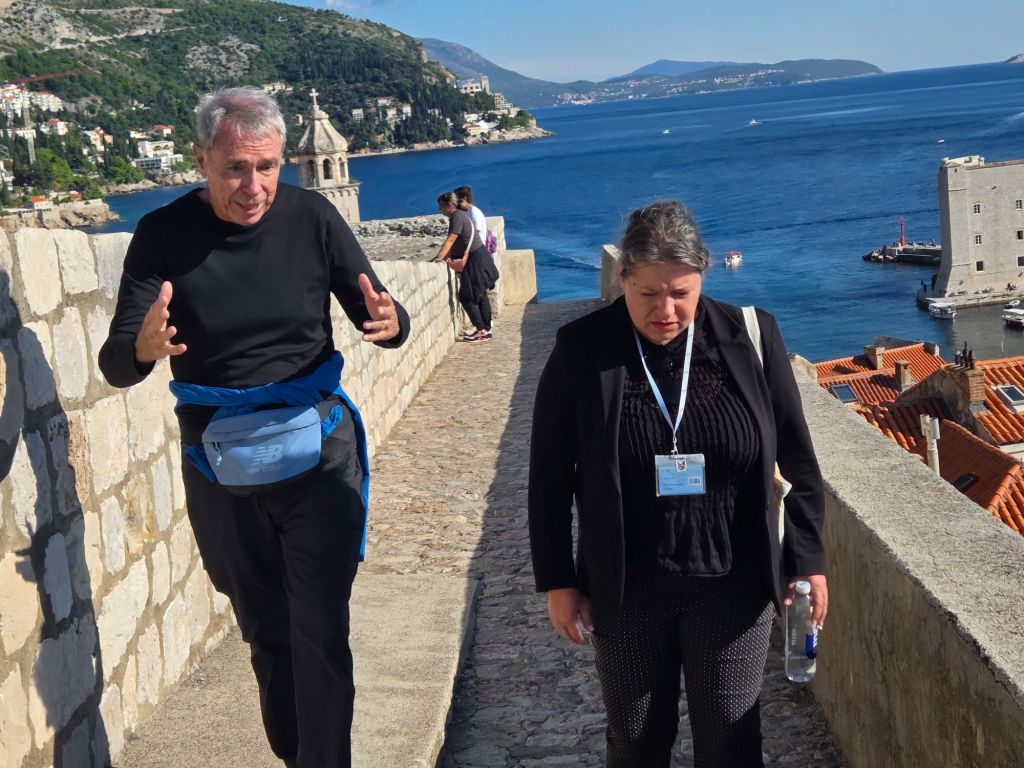
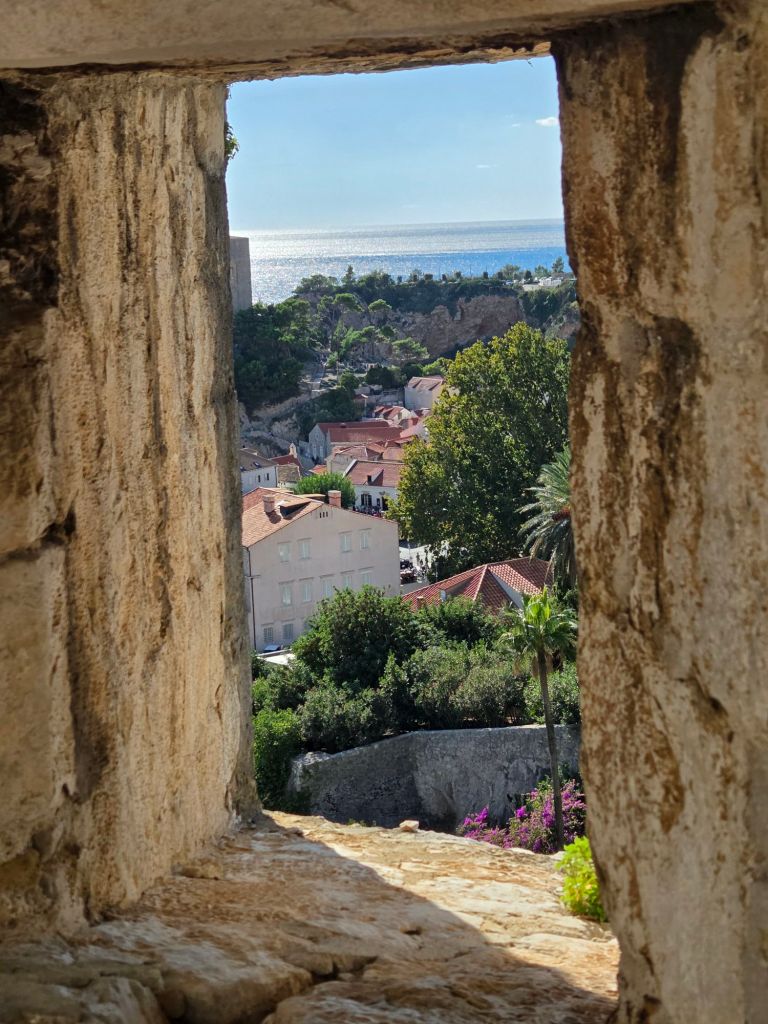
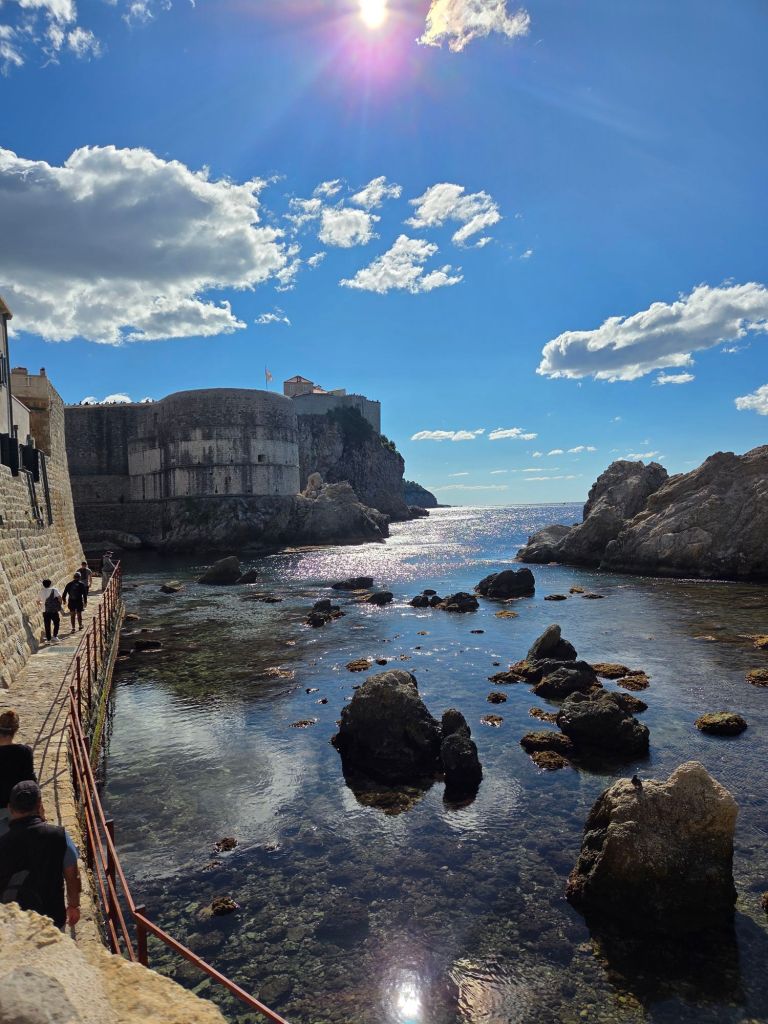
We were glad for our physical training from the Camino as Nina took us on the demanding circuit of the Old City walls, which are still complete and include a lot of steep steps. At one point Nina greeted a couple sitting in their small terrace abutting the wall. It was her former violin teacher and her former math teacher, enjoying their generations- old family home. (Like Ed, Nina is a product of a Jesuit education! Ed went to BC High and Boston College.)
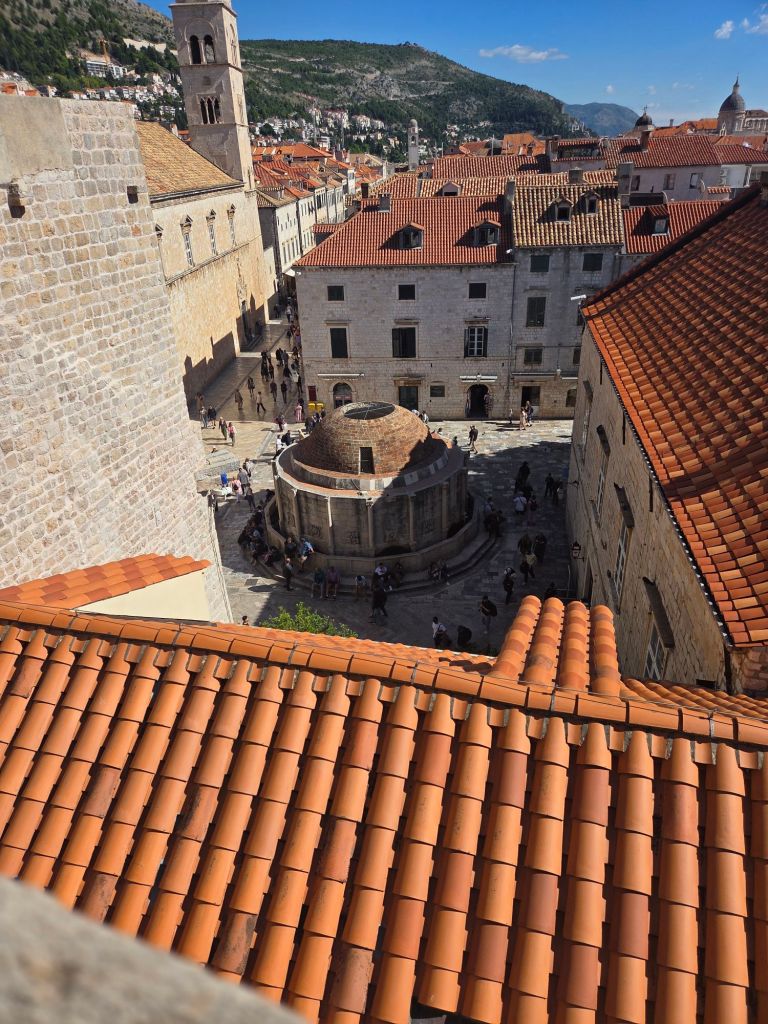

We learned a lot from Nina about ordinary people dealing with invasion, war, unexpected violence, heroism, loss.
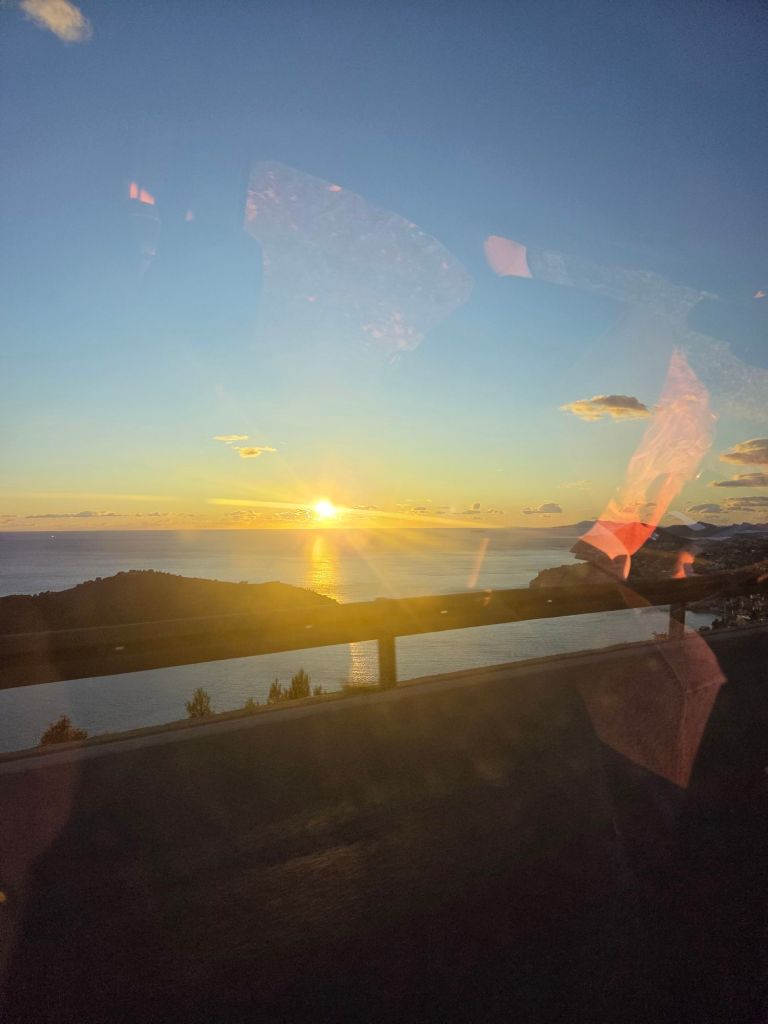
We left Dubrovnik on our third day to stay in a small town called Ćilipi in the Konavle region, near the airport. There is a single road, one lane each way, that hairpin up from the city above the sea, almost unbelievably picturesque but easily blocked by an accident or weather, so we made the drive the day before our morning flight. This turned into a delightful highlight of our visit.
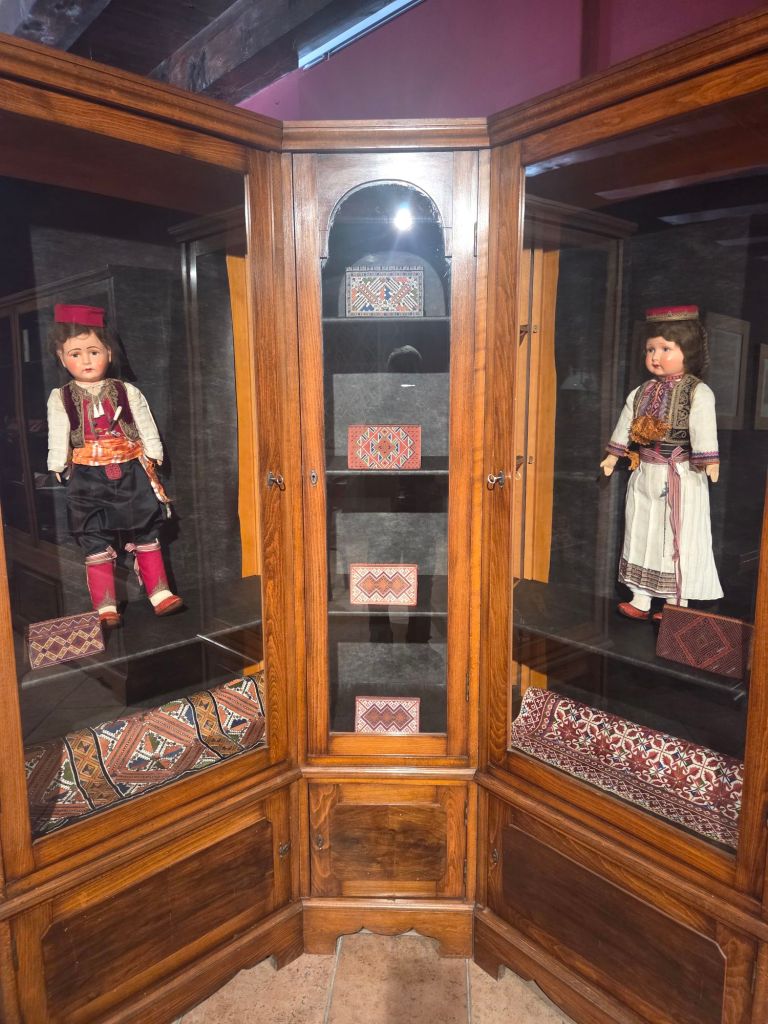
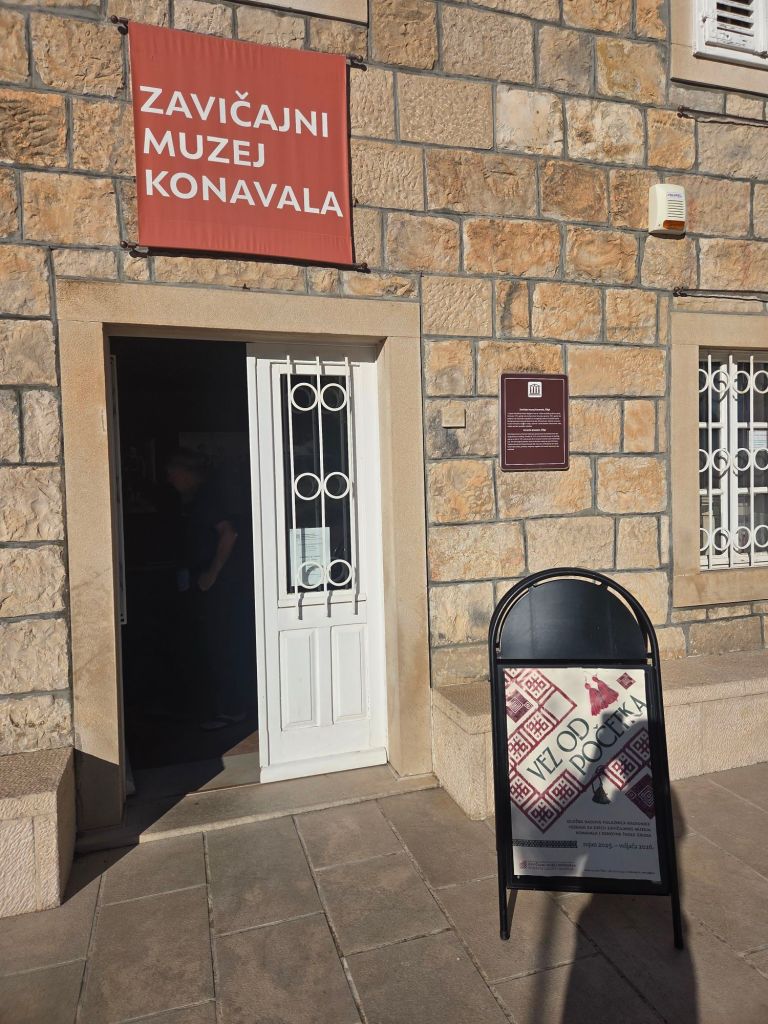
Our cousin-in-law, Charles Franich, had told us that a branch of his family had provided land for the construction of Dubrovnik airport. We were able to visit the museum, pictured above, which preserves and perpetuates local costumes and traditions, little changed for hundreds of years.

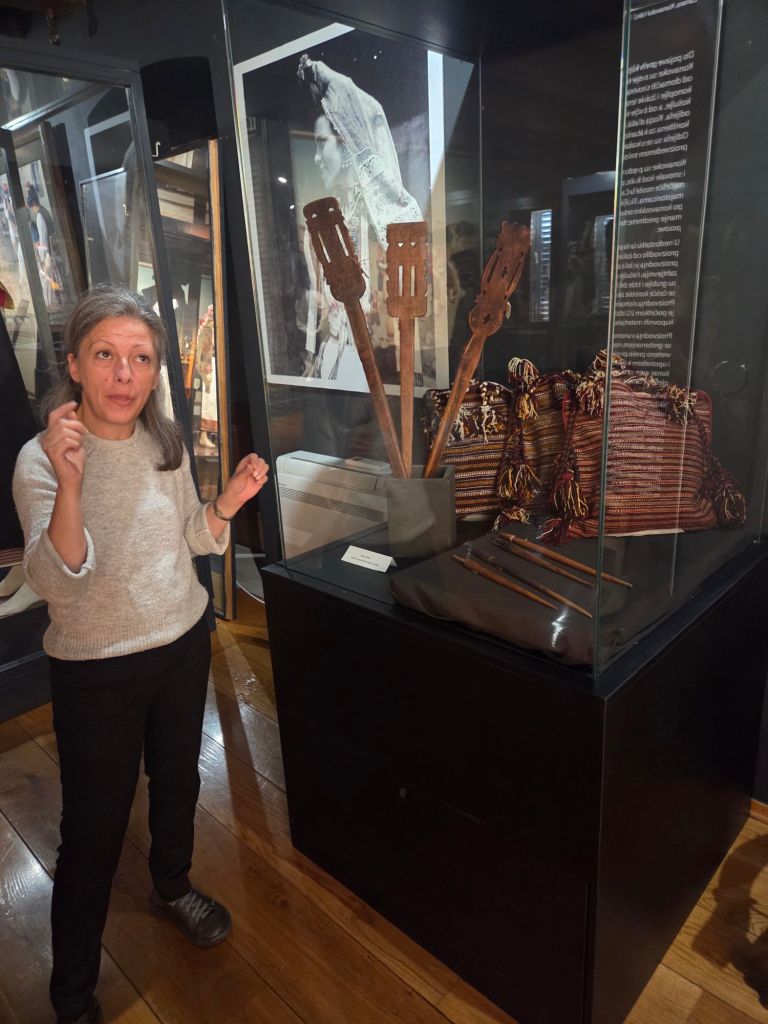
With her grace and enthusiasm — and impeccable English — all Croatian children study English starting in first grade — the museum’s director Dragonika imparted an appreciation for the beauty of the embroidery and its significance for the lives of girls and women of the countryside. Incidentally, our guide, Nina, also had a grandmother from Konavle (or Konavala).
Our flight from Dubrovnik back to Rome, only one hour, fortunately contained none of the excitement and drama of our arrival in high winds.
 Anne and Ed Blog